Because keeping pets safe shouldn’t come with frostbite or food poisoning
According to most forecasts, we can expect near-normal winter temps across the Southeast — but let’s be honest, “normal” still includes the kind of cold that makes you question every life choice before coffee. Our chilliest stretch usually hits between December and mid-February, so now’s the time to plan for pet comfort and safety before Jack Frost crashes the party!
Cold comfort: Keeping pets warm
If it’s too cold for you to sit outside in pajamas with a cup of cocoa, it’s too cold for your pets to sleep outdoors. Try to bring them in — even just at night. A garage or enclosed shed can make a world of difference (just check for antifreeze drips, rat poison, or other “hidden hazards” first — no one wants a toxic nightcap). Even sheltered spaces may need extra warmth, so check the temperature.
If bringing everyone inside isn’t realistic (we know some of you have more pets than Santa’s reindeer), at least monitor the hourly forecast and bring animals in on freezing nights. Breed matters — Huskies laugh at sleet, while Chihuahuas need a heated throw just to watch the Winter Olympics. Below 40 degrees is rough on everyone.
Dog and cat house design 101
Those trusty plastic “igloos” and DIY doghouses can be cozy castles with a few smart tweaks.
Face it right and block the wind: Point the entrance away from the north and southwest — that’s where most storms come barreling in. A heavy plastic flap or makeshift L-shaped entry keeps warmth in and wind out.
Add insulation: Foam board covered with plywood (to prevent chewing) turns a drafty shack into a snug little chalet. YouTube is full of clever, budget-friendly winterizing ideas.
Skip the hay (it molds) and go for wheat straw — not cedar shavings, which can cause itchy drama. Change straw every few weeks. If your cat or dog isn’t a shredder, an old thrift-store comforter works well, but don’t rely on these alone. Amazon sells reliable outdoor-rated heating pads — a cozy upgrade that won’t set your yard ablaze like those infamous heat lamps. (Trust us, we’ve seen two very sad scenarios. No more.)
And because guessing is for game shows, not pet care, toss in an outdoor thermometer so you’ll know conditions are truly warm, not wishful.
Pro tip: your pet’s sleeping style tells all
Sprawled out? Toasty.
Curled into a ball? Getting chilly.
Nose tucked into a tail like a cinnamon bun? It’s freezing.
Leaving dogs tied up without shelter in freezing or stormy weather isn’t just heartless — it’s illegal in all 50 states.
Final thoughts on keeping warm
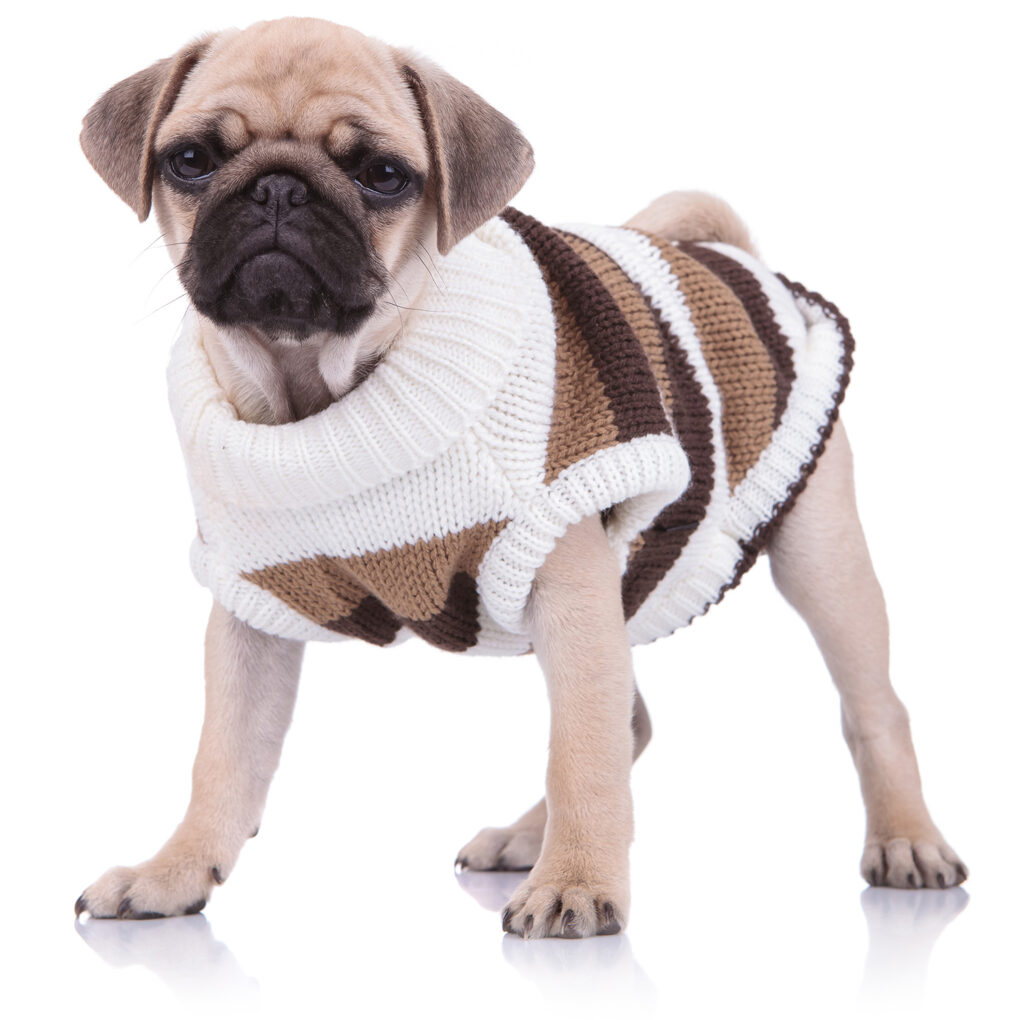
Short-haired dogs appreciate a coat, but only if it stays dry. A wet jacket on a cold dog is about as useful as a soggy blanket. Feed them a bit more in winter — they burn extra calories just keeping warm. It’s the one season when a little “winter weight” is actually functional insulation. And please, check water bowls often.
“Howliday” hazards
No one wants to spend their Christmas bonus on pancreatitis or their New Year’s Eve in the waiting room. A little prevention keeps the holidays merry and bright.
Skip the fatty scraps: Those pleading eyes could melt the polar ice caps, but pets on steady diets have sensitive stomachs. Too much rich food can cause pancreatitis — especially in smaller dogs. Instead of a total “bah humbug,” offer a safe middle ground:
• A small piece of plain, cooked yam or veggies before you add butter or marshmallows.
• A sliver of lean meat (no skin, no spices, and definitely no “gravy surprise”).
Avoid bones entirely — poultry bones splinter like bad decisions.
Chocolate, xylitol, and other dessert disasters: Chocolate, sugar-free sweets, and anything with xylitol can turn a happy howliday into a howling ER visit. A teaspoon of chocolate cake might mean nothing to a Great Pyrenees, but it could spell disaster for a Chihuahua. When in doubt, skip dessert — they can’t miss what they don’t understand. (And honestly, they’d rather have bacon anyway.)
Keep the booze out of reach: That half-empty glass on the coffee table might tempt a curious sniffer. Yes, pets can get alcohol poisoning — and in recent years, even cannabis intoxication from edibles left within reach. Keep the spirits for the humans and the “special brownies” locked up.
Tinsel and temptation: Ribbons, ornaments, and shiny décor are irresistible — and dangerous. Cats see ribbon; we see an obstruction waiting to happen. Dogs see ornaments; we see regret in glitter form. Keep it festive but smart: supervise playtime, skip dangling décor, and remember — if it sparkles, it’s probably a temptation.
Julie Bjorland is a Licensed Veterinary Technician (LVT) and has been working alongside Goutam Mukherjee, DVM, MS, Ph.D. (known as Dr. G) for the past 20 years. To suggest a topic for discussion, email contact@alabamaliving.coop