
The Gifts that Keep on Giving
Winter in Alabama may seem like a time of rest for the landscape, but for landowners and conservationists, it’s a strategic season for managing invasive species. With cooler temperatures and dormant vegetation, winter offers strategic opportunities to control some of the state’s most aggressive invaders before spring growth begins.
Invasive species—non-native organisms
that cause ecological or economic harm—are a persistent challenge in Alabama. Aggressive plants like Chinese privet, cogongrass, kudzu, and Japanese honeysuckle can outcompete native flora, degrade wildlife habitat, and reduce biodiversity. Left unchecked, these species can transform forests, pastures, and even suburban landscapes into monocultures with limited ecological value.
There are several reasons that make this time of year the strategic season for managing invasive species. Winter’s leafless trees and reduced undergrowth make it easier to spot some invasive plants that might be hidden or overlooked during the growing season. This visibility allows for more accurate mapping and assessment of infestations.
Many invasive species are less active or dormant in winter, making them more vulnerable to targeted control methods. Because plants are shifting their focus from growing leaves and flowers to storing energy in their roots, herbicides may be moved throughout the plants to the roots more effectively during this time of year.
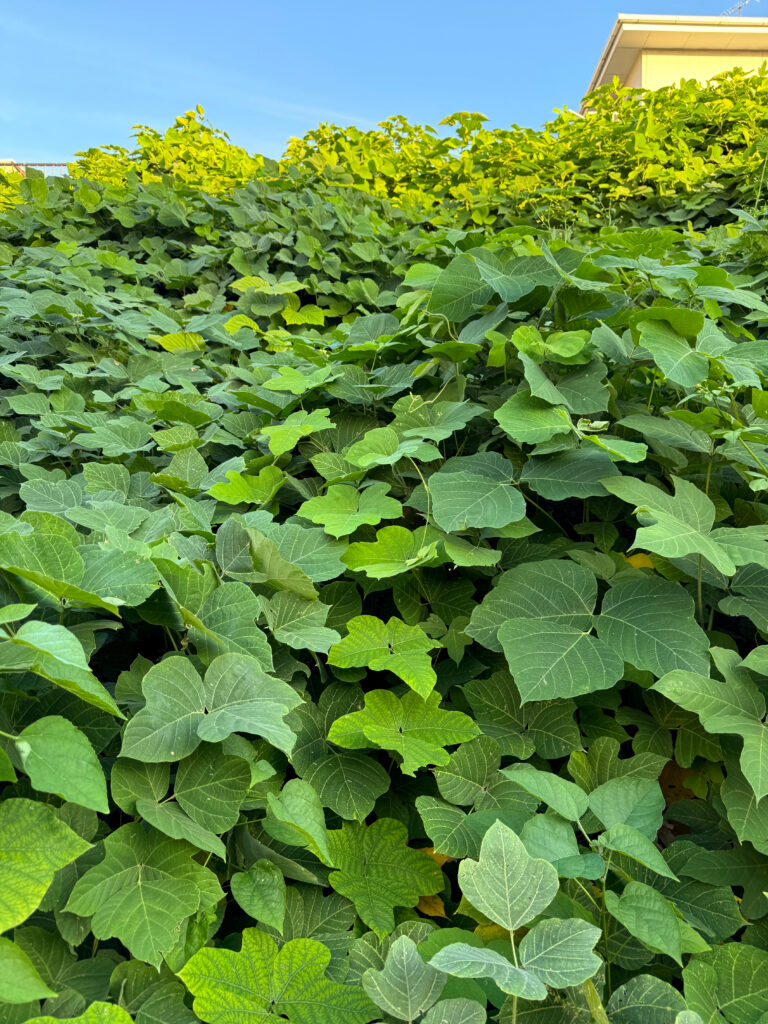
For example, Chinese privet, a woody shrub that forms dense thickets and is readily identifiable by its evergreen or semi-evergreen foliage, is easier to cut and treat in winter. Applying herbicide to freshly cut stumps during dormancy can prevent regrowth in spring. Kudzu, known for its rapid summer growth, can be managed by cutting vines and treating exposed root crowns before new shoots emerge.
Effective Winter Control Methods
Mechanical Removal: Mechanical techniques such as cutting, pulling, and girdling are particularly effective in winter, especially on small plants. Without dense foliage, stems and trunks are easier to access. For woody vines, cutting them at the base stops nutrients from reaching the parts growing above ground, forcing the plant to send up new shoots from the roots in the spring. This new growth is much easier to control with herbicides. For larger woody invasives like Chinese privet and tallowtree, cutting stems close to the ground followed by an herbicide stump treatment (described below) can prevent regrowth. Tools like loppers, saws, and weed wrenches are useful for cutting or uprooting small saplings and shrubs. However, care must be taken to minimize soil disturbance, which can create ideal conditions
for reinvasion.
Targeted Herbicide Use: Winter is an ideal time for applying herbicides to invasive woody plants. Dormant season treatments—such as basal bark and cut-stump applications—are less likely to affect non-target species. Basal bark treatments involve applying herbicide to the lower 12–18 inches of stems, while cut-stump treatments require immediate application to freshly cut surfaces.
Specific Growth Forms:
Understanding plant growth forms helps determine which species are susceptible to winter control. Winter annuals, biennials in their first or second year, non-suckering woody plants, and woody vines are all good candidates for winter treatment. These plants can be impacted before they set seed or begin spring growth, reducing their spread and long-term impact.
Managing invasive species in winter is not only feasible, it’s smart. By taking advantage of the season’s natural conditions, Alabama landowners can make meaningful progress in protecting native landscapes. Whether through mechanical removal, herbicide application, or strategic planning, winter offers a valuable window for action. With community support and informed practices, we can work together to preserve Alabama’s rich
ecological heritage.
Bethany O’Rear, a horticulturist for more than 20 years, is a regional agent with the Alabama Cooperative Extension System, specializing in commercial and home horticulture.