
What Gardeners and Outdoor Lovers Should Know This Spring
Spring in Alabama invites gardeners and nature lovers back outside, but it also brings renewed growth of several toxic plants that can quickly spoil the season. A little plant awareness is all it takes to avoid painful rashes, stings, and unwelcome surprises. Here’s a friendly guide to the plants you’re most likely to encounter.
Poison Ivy: The Springtime Scourge—Leaves and Vines
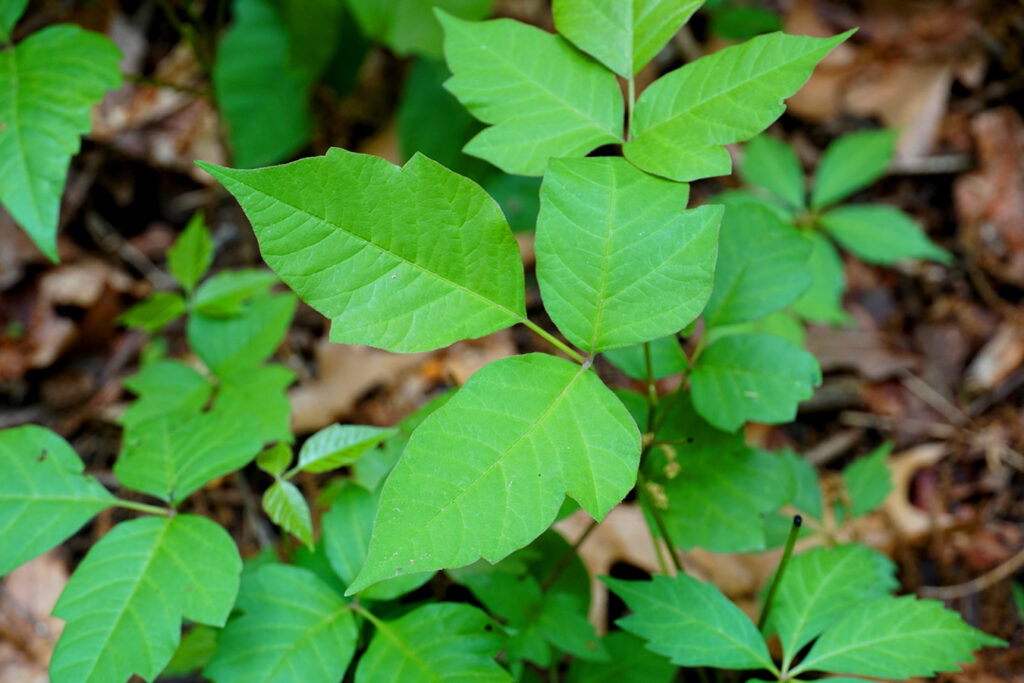
Poison ivy is one of Alabama’s most common irritants. Its “leaves of three” may appear smooth or jagged, often with a reddish spot at the base of the lower leaflets. All parts of the plant contain urushiol, the oil responsible for the infamous itchy, blistering rash.
Also important to know — poison ivy’s vines are just as irritating as the leaves. As the vine matures, it develops dense, hairlike roots that cling to trees and other surfaces. These “hairy vines” contain the same rash-causing oil and can trigger a reaction even if touched accidentally. Vines can become thick and woody, making them easy to grab by mistake when clearing brush.
Poison ivy thrives along forest edges, in wooded areas, and even in urban green spaces, making spring a prime time for accidental encounters.
Poison Oak: A Fuzzy LookAlike
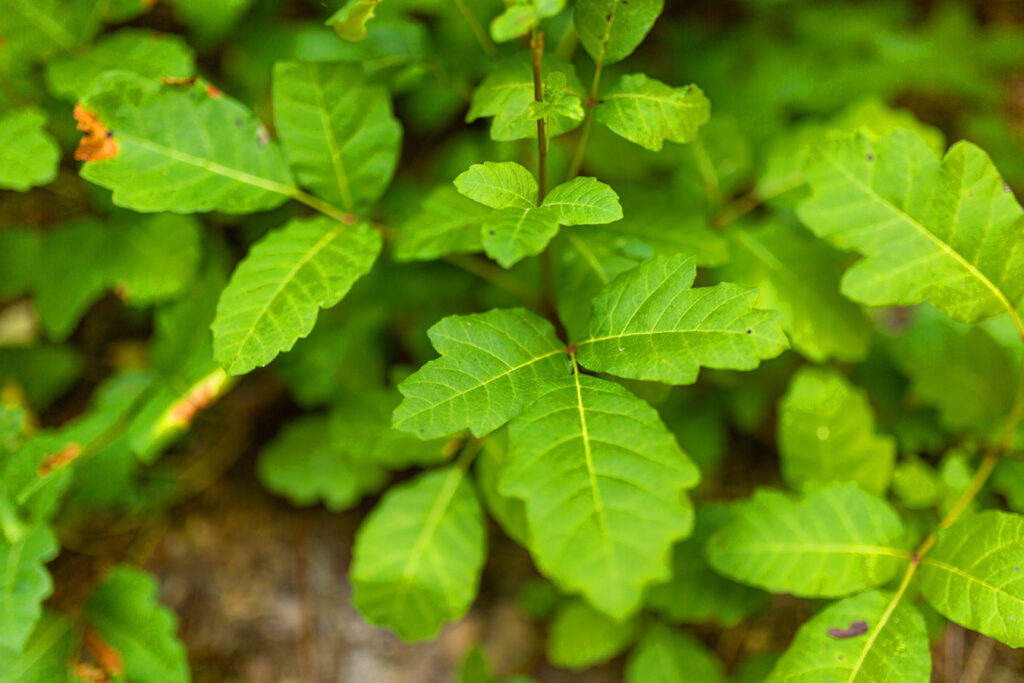
Poison oak closely resembles poison ivy but has rounded, oaklike lobes and often fuzzier leaves. It also grows in clusters of three and contains urushiol. Instead of climbing, it typically grows as a small shrub and tends to favor drier, sandy areas such as pine woods and
scrub habitats.
Poison Sumac: A Wetland Threat
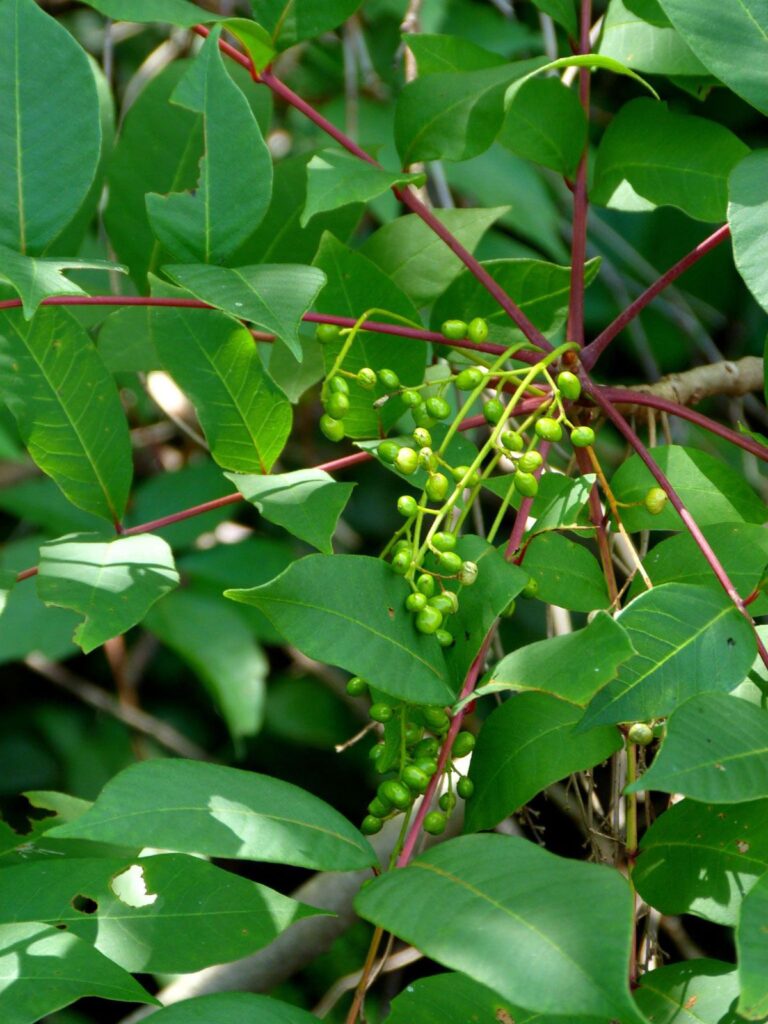
Unlike ivy and oak, poison sumac doesn’t have clusters of three leaves. Instead, it features seven to 15 smooth, elongated leaflets arranged along a central stem. It grows as a shrub or small tree in wetlands like bogs and swamps. Contact can result in a more severe reaction than either poison ivy or oak.
Stinging Nettles & Spurge Nettle: Pain Without the Rash
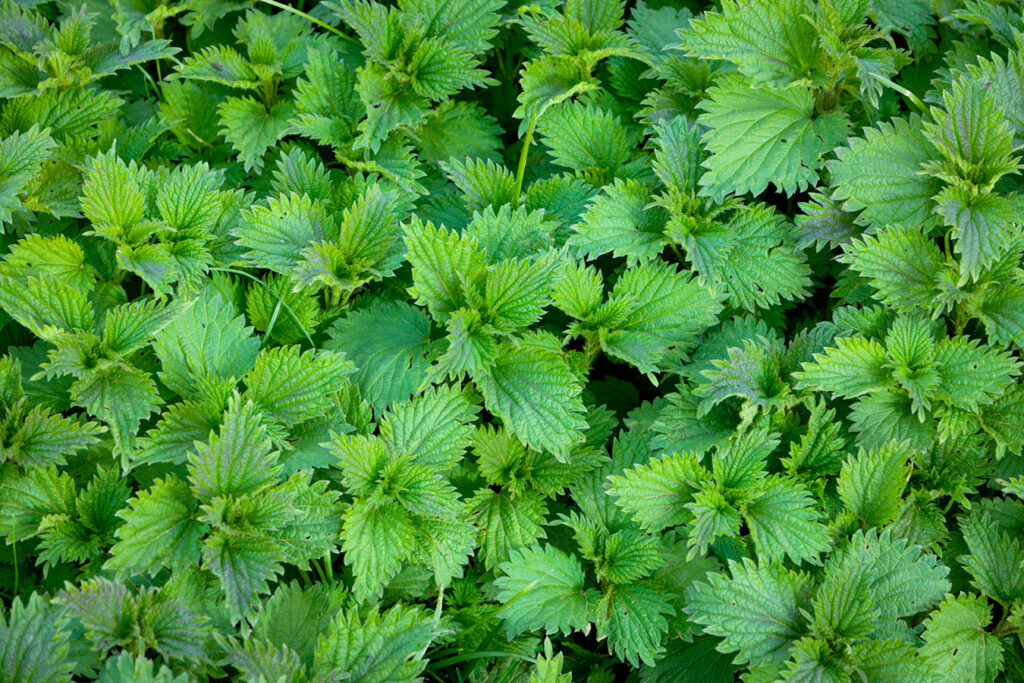
Stinging nettles and spurge nettle or “tread softly” aren’t chemically poisonous, but their fine, needlelike hairs deliver a sharp sting that can lead to redness, burning, and temporary swelling. These plants are common along woodland edges, sandy openings, and disturbed sunny sites — places gardeners and hikers frequent in spring.
Controlling Poisonous Plants: A Quick, Practical Guide
While poisonous plants can sometimes be left alone in low traffic areas, they become a problem when they grow near homes, gardens, or spaces used by children and pets. Here’s a simple overview of effective control options:
- Herbicides are the safest and most reliable option. Products containing glyphosate or triclopyr work well on poison ivy, oak, and sumac. They’re most effective when applied during active growth — usually spring through summer — and may require repeat applications.
- Mechanical removal requires extreme caution. Since urushiol is present in leaves, stems, roots, and even dead vines, pulling or cutting plants can easily cause exposure. Poison ivy’s hairy vines are particularly hazardous. If removal is necessary, wear heavy protective gloves and clothing, wash tools afterward, and launder clothing separately.
- Never burn plant material. Burning can send urushiol into the air, creating dangerous fumes.
- Prevent regrowth by managing site conditions. Monitor fence lines, tree bases, and shady edges regularly. Maintaining healthy groundcover and reducing soil disturbance can help discourage these plants from reappearing. With a bit of awareness and some basic identification skills, you can enjoy Alabama’s beautiful spring season while avoiding the itch, burn, and irritation these plants can cause.
Bethany O’Rear, a horticulturist for more than 20 years, is a regional agent with the Alabama Cooperative Extension System, specializing in commercial and home horticulture.