‘Destination Verified’ North Alabama leads the way
By Colette Boehm
The accessible travel market is a large and rapidly growing sector across the U.S. and the Alabama tourism industry is poised to welcome and accommodate an increasing number of visitors with varying abilities. The market includes travelers with mobility, sensory, and cognitive challenges who, along with an aging population, are creating the need for a variety of accommodations at lodging properties, attractions, and other businesses.
Travelers with disabilities reportedly spent nearly $50 billion in 2024 and, according to Open Doors Organization data, that number climbs to $100 billion when including companions. Despite its size and spending patterns, the market continues to be underserved due to accessibility barriers.
In North Alabama, the Alabama Mountain Lakes Tourist Association is aiming to remove those barriers and lead the way to accessible travel through encouraging and enabling its industry partners to move beyond compliance and to create new inclusive offerings for visitors. State Parks, from the mountains to the gulf, are also providing more options for visitors of varying abilities, from lodging to trails to the state’s number one tourism attraction, its beaches.
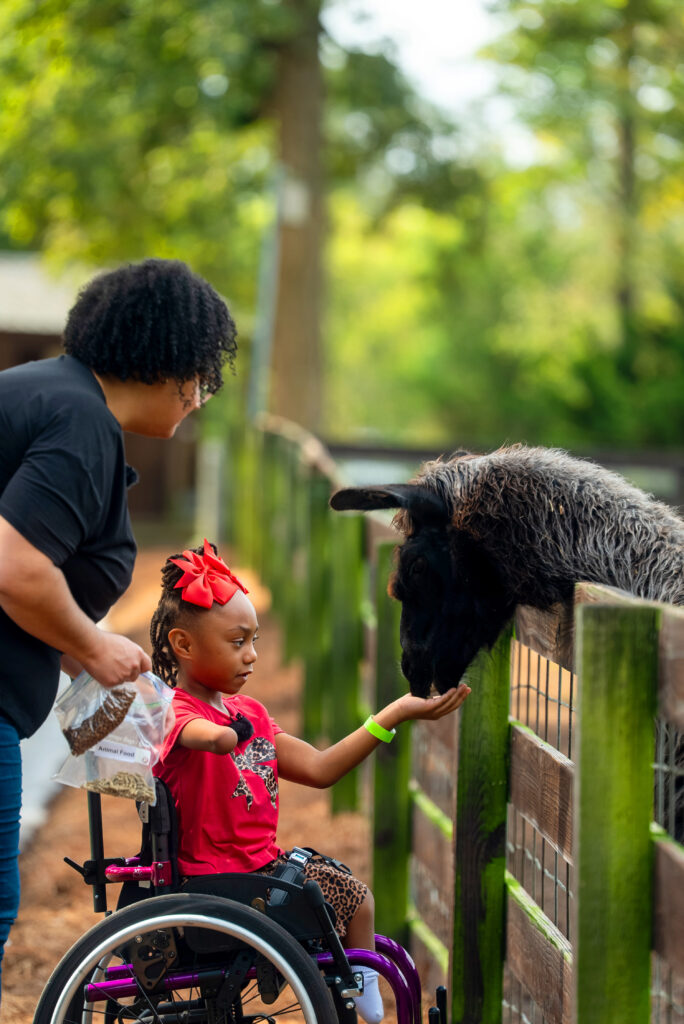
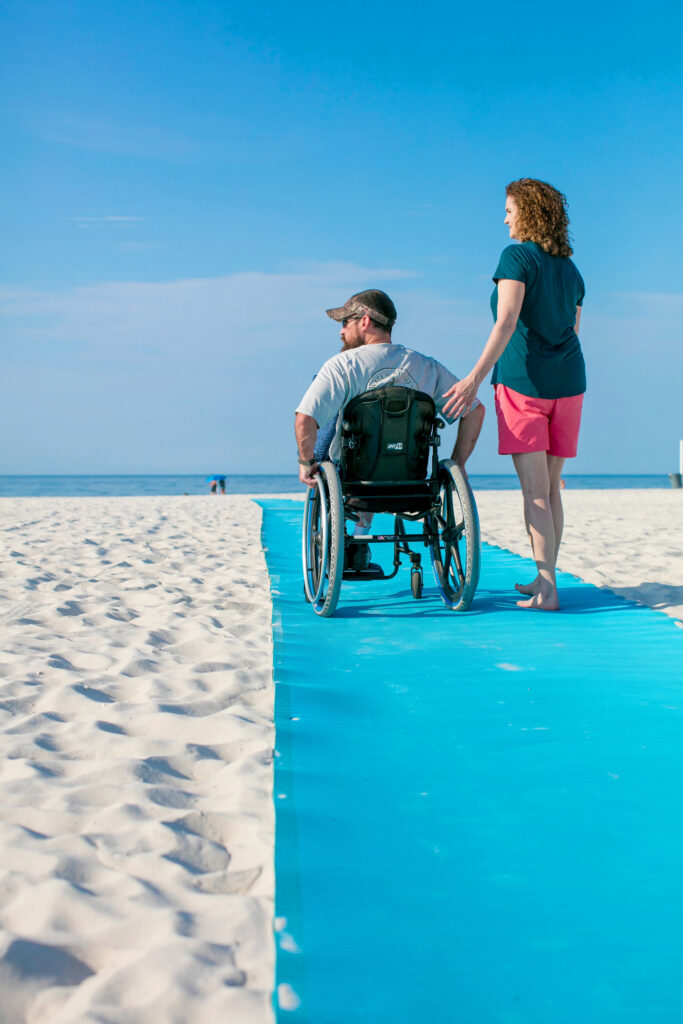
Photo By Colette Boehm
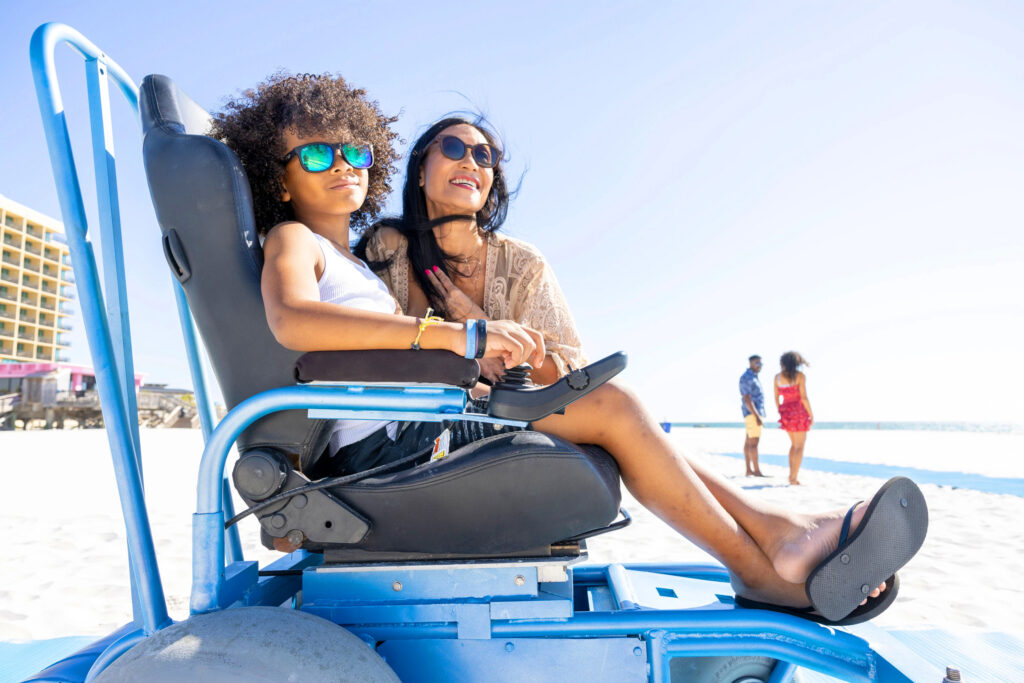
“At the Lodge, we have a boardwalk with a ramp and a track chair and beach wheelchair that guests can check out at no charge to get them out on the beach,” says Chandra Wright, director of environmental & educational outreach for the Lodge at Gulf State Park, located directly on the beach in Gulf Shores. “We strive to provide all of our guests access to make those lifetime memories that will keep them coming back for years to come.”
Through AMLA’s efforts, North Alabama is equipped to provide those memories as well. The region has become the state’s first “Destination Verified” area recognized by Wheel the World, a global leader in accessible travel. The status identifies venues that have undergone a third-party accessibility verification, a process which included visits to dozens of businesses, attractions, restaurants, airports, and hotels throughout the region. AMLA has also coordinated training through Tourism ALL-a-Bama, a program of United Cerebral Palsy of Huntsville and Tennessee Valley, intended to serve individuals and families traveling with sensory sensitivities or who are on the autism spectrum.
The AMLA initiative has trained hundreds of employees on accessibility and, through grants and partnerships, provided three dozen wheelchairs to its tourism partners.
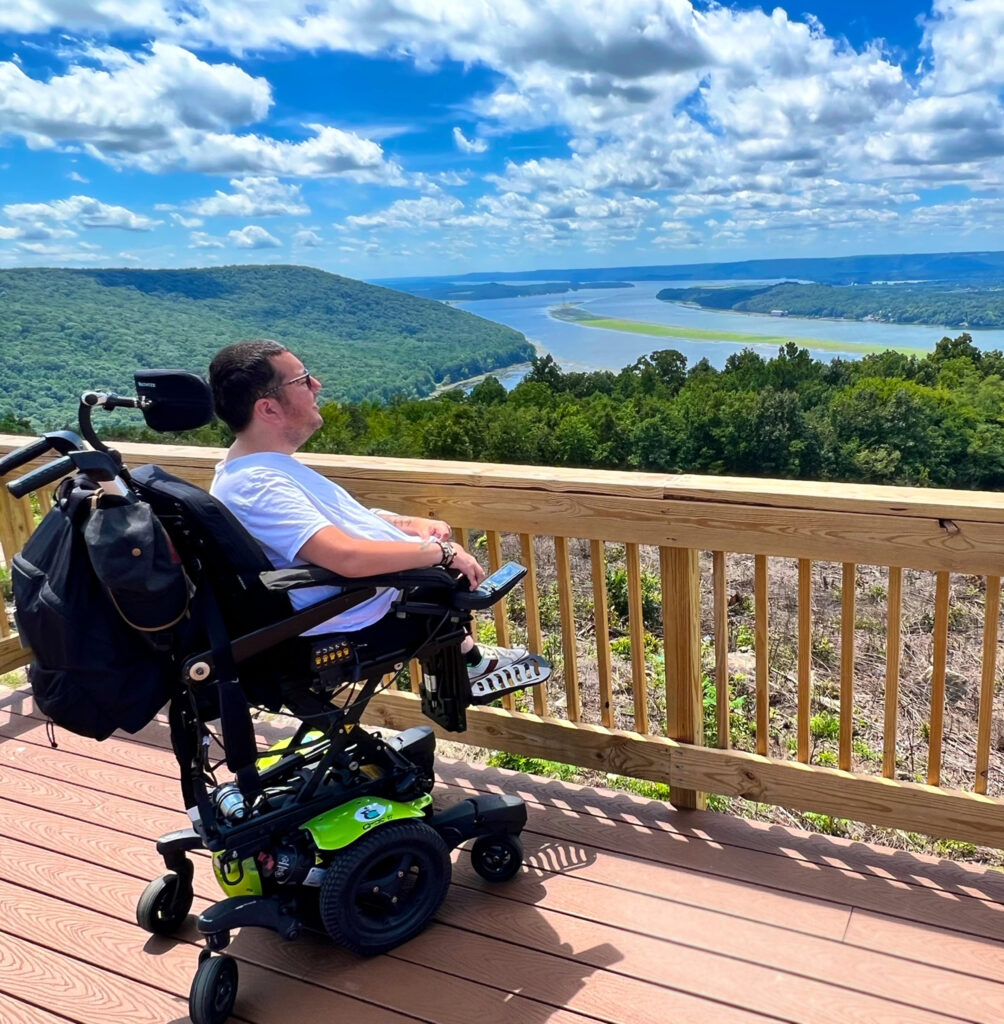
“Accessibility is more than a project, it is AMLA’s mission,” says the organization’s President/CEO Tami Reist. “We are committed to ensuring that North Alabama is not only beautiful and adventurous but also inclusive, inviting and accessible. By equipping our partners with tools, strategies and best practices, AMLA is ensuring that North Alabama can welcome visitors with disabilities with the same warmth and hospitality the region is known for.” The organization has launched a new website, accessiblenorthal.com, offering visitors a comprehensive hub for accessible travel information.
Ashlee Crosby is the general manager of SpringHill Suites Huntsville Downtown and has, along with her staff, been through the verification process and the sensory training sessions.
“We had the team sign up to have the ALL-a-Bama training for autism,” Ashlee notes. “Each hotel got sensory kits. When the ALL-a-Bama reservations come through, we know who they are. We know when they’re checking in and their needs. But we have this kit that’s available to us 365 days a year,” she said, noting that more and more travelers have special requests. “We get people in and they need a sound machine in their room, or they need the weighted blanket, and that’s in the bag. We’ve had that a few times.”
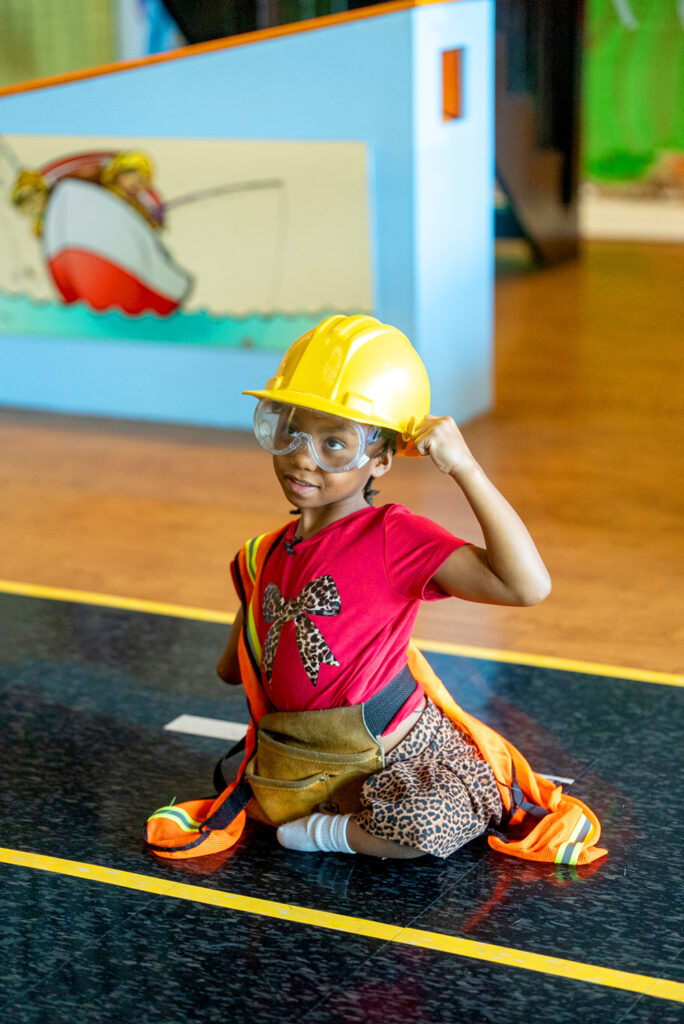
Crosby relates to the special needs of travelers in a personal way, as she has a seven-year-old daughter, Samone, with limb differences. “She only has one full limb, and that’s her left arm,” she explains. “We have a wheelchair, but that’s basically used for more distance, getting from one place to another. Once she gets there, she typically likes to be out of her wheelchair. For me, when we travel, cleanliness is really big, because she walks on one hand on the floor most of the time and climbs up on things. So, our accessibility is different.
“That’s why I like the training we use,” she says. “This accessibility training explains that it’s not one size fits all.” She recalls a wheelchair user who recently checked in and did not want a roll-in shower. “Just because she’s in wheelchair, she doesn’t have to have it. Getting our people to think about that, to have these things available, to have the knowledge of how they work and how to offer them, but to know it’s not one size fits all. Sometimes you have to make adjustments for the person.”
Parks offer options
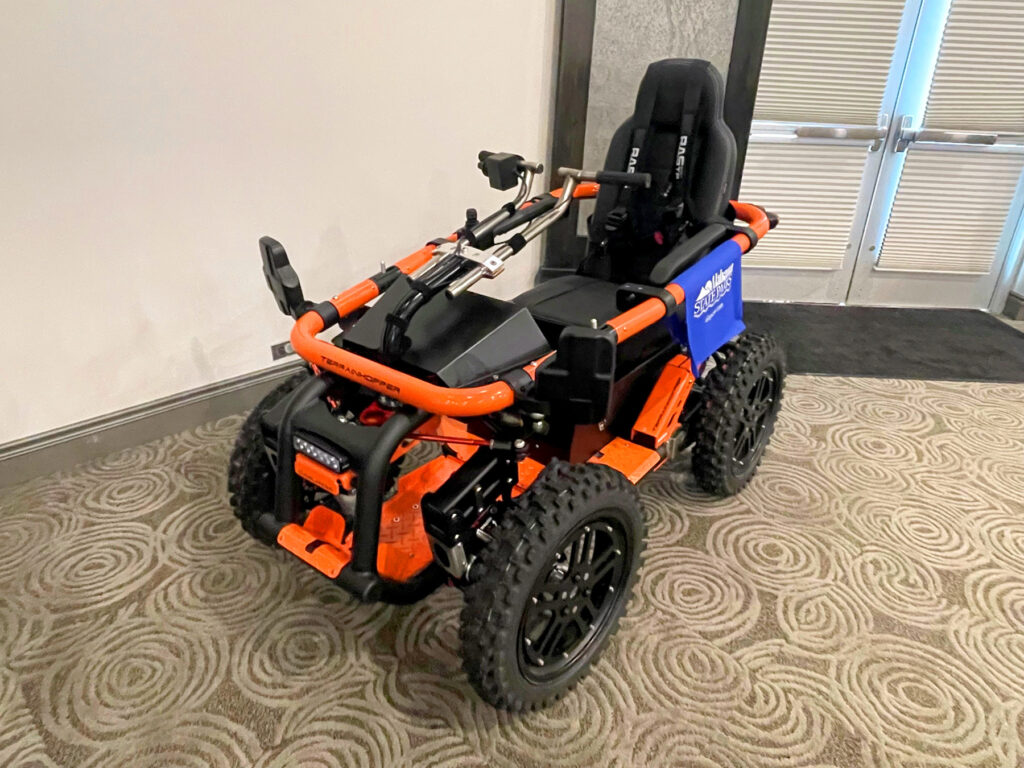
Alabama’s state parks are offering a variety of options for access to the outdoors for those with mobility issues. With grant funding, AMLA donated a state-of-the-art Terrain Hopper to Joe Wheeler State Park, in northwest Alabama. The device allows individuals with mobility challenges to explore rugged trails, scenic landscapes, and lakeside views more easily than ever before.
Alabama State Parks Deputy Director Chad Davis is also AMLA’s Chairman of the Board. “We’re incredibly grateful,” he says. “This device opens trails and outdoor experiences to guests of all abilities,” calling it “a great addition to our state park’s outdoor mobility device fleet. It’s a powerful step forward in our commitment to accessibility and inclusion across Alabama’s State Parks.”
Oak Mountain, Monte Sano, Lakepoint and Gulf State Parks each have mobility devices. Options vary between parks and include all-terrain track chairs, stabilized wheelchairs, carts to assist hikers, and devices that double as a cart and a stand-up assist for golfers. Visitors to state parks can reserve the motorized devices online at alapark.com/outdoor-mobility-devices. “Once you reserve the device and arrive at the park, you can head to the designated facility to pick it up and start using it,” Davis says.
Some parks have wheelchair-friendly trails, as well. Lake Guntersville is home to the paved Benny Bobo Multi-Use Trail, which gives visitors a view from the Mabrey Overlook. Gulf State Park is the heart of the 28-mile Hugh S. Branyon Backcountry Trail, which extends beyond the park into Gulf Shores and Orange Beach.
“Our award-winning Backcountry Trail provides miles of paved and boardwalk trails for a variety of abilities,” Wright notes. “Each trailhead has a post providing trail users with useful information such as length, elevation change, grade, and type of surface, so everyone can determine if that trail will meet their needs before they start down it.
“At the beach pavilion, we have wheelchair mats on the beach,” she continues. Beyond having accessible rooms at the Lodge, the park also has specially equipped cottages and cabins on the shores of Lake Shelby. “Our Learning Campus also has accessible accommodations in our bunkhouse and our boardwalks and ramps, there and at the Nature Center and Interpretive Center, allow our guests to participate in our great immersive educational programs.”
Crosby is happy to see many businesses and attractions, beyond the parks, making accessibility a priority. She noted recent visits to Imagination Place Children’s Museum and Noccalula Falls, where her daughter was able to enjoy the attractions fully. That type of access is important to Crosby because travel and the experiences it brings are opportunities she wants her daughter, and others with varying abilities, to benefit from, wherever they go.
“We travel,” Crosby says. “I’m in hospitality. She goes and travels for different sports camps and things. So, we fly and we go all over the place. My most important thing, from my daughter’s side of it, is independence. I will not always be here with her. I want her love for travel to go forever and ever. What can we do to prepare for that?”