
As summer vegetables begin to wind down, many Alabama gardeners are ready for a break. The tomatoes are slowing, the squash has seen better days, and empty garden beds can look tempting to leave alone until spring. However, fall is actually the perfect time to plant a cover crop – one of the easiest ways to improve soil health and set your garden up for success next year.
Cover crops are plants grown primarily to benefit the soil rather than for harvest. Sometimes called “green manure,” these crops help protect and improve garden beds during periods when vegetables are not actively growing. Instead of leaving bare soil exposed to rain, wind, and weeds, cover crops keep the ground covered and working for you.
Radek Havlicek-VividFoto.cz – stock.adobe.com
One of the biggest benefits of cover crops is their ability to reduce soil erosion. Alabama’s fall and winter rains can wash away valuable topsoil, especially in sloped gardens. A cover crop’s root system helps hold soil in place while the leafy growth shields the surface from heavy rainfall.
Cover crops also help suppress weeds. When planted thickly, they compete with winter weeds for sunlight, water, and nutrients. This means fewer weeds to manage when planting season arrives in spring.
Another major advantage is improved soil health. As cover crops grow, their roots create channels that improve soil structure and water infiltration. When the plants are cut down and incorporated into the soil or left as mulch, they add organic matter. Organic matter improves the soil’s ability to hold moisture, increases beneficial microbial activity, and can help reduce compaction over time.
Some cover crops can even add nutrients back to the soil. Legumes such as crimson clover, hairy vetch, and Austrian winter peas work with naturally occurring soil bacteria to capture nitrogen from the atmosphere and convert it into a form plants can use. This process, known as nitrogen fixation, can help reduce fertilizer needs for future crops.
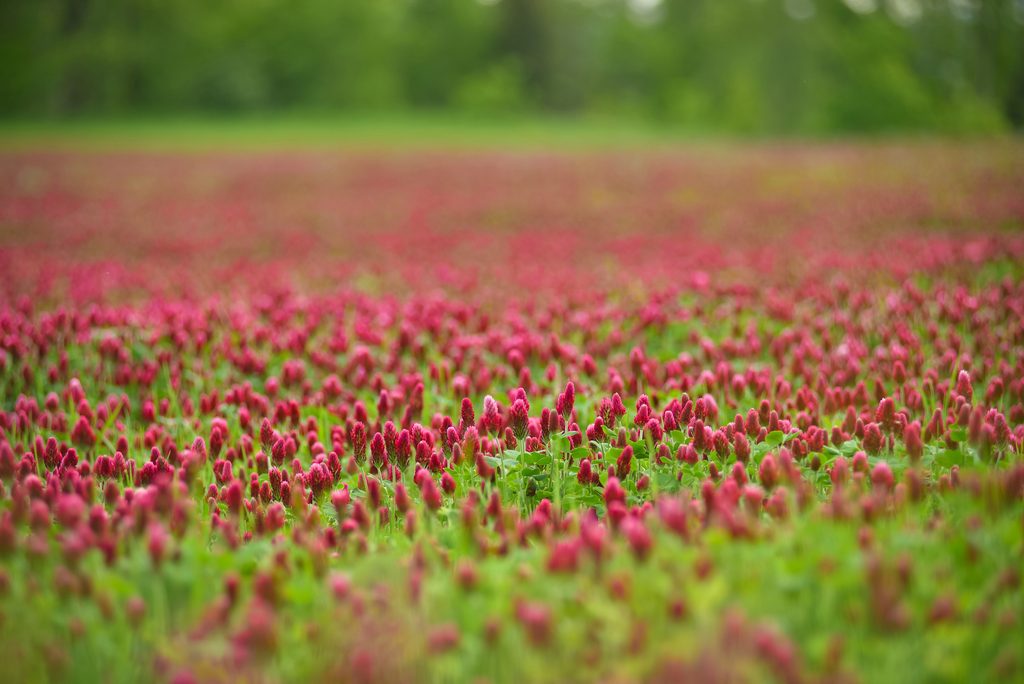
For most Alabama home gardens, several cover crop options perform well. Cereal rye is a popular choice because it establishes quickly, produces abundant biomass, and helps suppress weeds. Crimson clover offers attractive spring blooms while adding nitrogen to the soil. Many gardeners choose a mixture of rye and crimson clover to combine the benefits of both crops.
September through November is generally an ideal planting window across much of Alabama. Seeds can be broadcast over cleaned garden beds and lightly raked into the soil. Adequate moisture is important for establishment, especially during the often-dry months of September and October.
Before planting spring vegetables, cover crops should be terminated several weeks in advance. Gardeners can mow, cut, or pull the plants and leave the residue on the soil surface as mulch or work it into the soil.
Cover crops may not produce a harvest for the kitchen, but they deliver something just as valuable: healthier soil. By planting a cover crop this fall, Alabama gardeners can protect their garden beds through winter and enjoy stronger, more productive plants next spring.
Bethany O’Rear, a horticulturist for more than 20 years, is a regional agent with the Alabama Cooperative Extension System, specializing in commercial and home horticulture.