By Lenore Vickrey
The Year of Alabama Barbecue.
The Year of Alabama Birding.
The Years of Alabama Small Towns, Natural Wonders, the Arts. All years celebrating the best of what makes Alabama great, and all the vision of one man.
That man, Lee Sentell, retired in July after 23 years as director of Alabama’s tourism department, leaving a legacy of growth unmatched by anyone else. Under his tenure, the state’s visitor economy grew from $4 billion annually to more than $25 billion.
“Lee Sentell is the man whose vision, creativity, determination and unwavering dedication transformed tourism in Alabama and forever changed the way the world sees our state,” says Patti Culp, president and CEO of the Alabama Travel Council and a close friend of Sentell for more than 45 years. “His vision helped define what it means to say ‘Sweet Home Alabama.’”
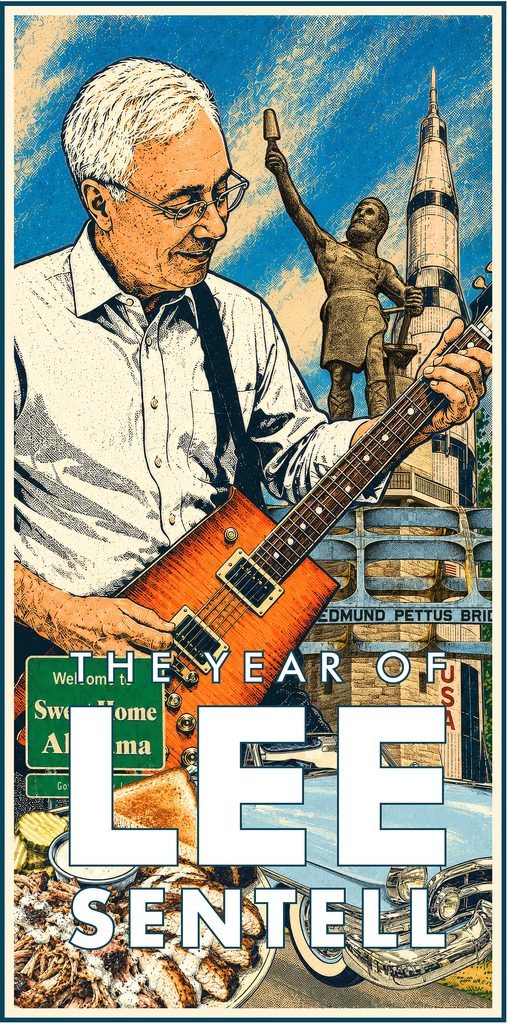
Culp was one of many in the tourism industry who praised Sentell, sometimes tearfully, at the recent Governor’s Conference on Tourism. Fittingly, he was presented with his own “Year of Lee Sentell” poster of him playing guitar, surrounded by a number of Alabama iconic objects such as Hank Williams’ 1952 baby blue Cadillac, a plate of barbecue with Alabama white sauce, the Vulcan statue, a rocket at Huntsville’s Space & Rocket Center, and the Edmund Pettus Bridge in Selma.
Sentell, 82, served longer in the tourism position than any of his predecessors. Appointed in 2003 by his childhood friend, former Gov. Bob Riley, he then served under three different governors and six cabinet terms. Previously, he’d held leadership positions at the Decatur Daily, the Decatur Chamber of Commerce and the Space & Rocket Center in Huntsville.
“It’s been a joy and a blessing to do this job,” he says. Looking back over his nearly 24 years, Sentell says it’s hard to pick a fondest memory, but, “I think what people are going to remember me for most is the creation of the U.S. Civil Rights Trail.” The Trail (civilrightstrail.com), launched in 2018, brought together historic sites in 15 states into a single tourism destination. Sentell documented the trail in his 2021 book, The U.S. Civil Rights Trail: What Happened Here Changed the World.
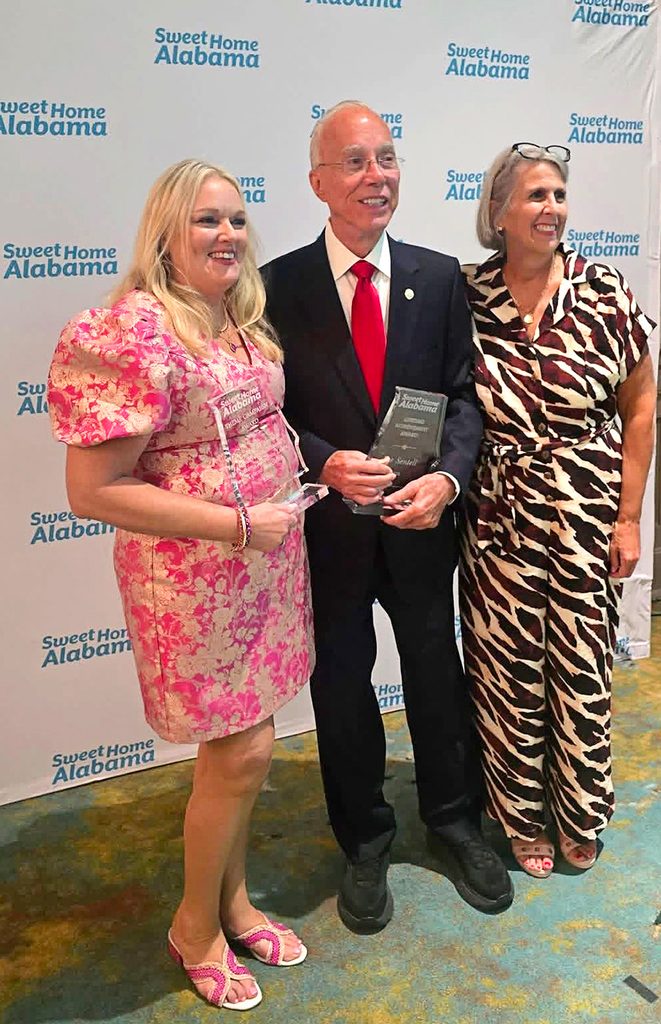
Photo by John Dersham
Sentell recalls talking to Riley about the need to promote places in Alabama associated with the civil rights movement, including organizing the Alabama Civil Rights Trail in 2004. The trail spotlights key historic locations like the 16th Street Baptist Church in Birmingham, the Edmond Pettus Bridge in Selma, the Dexter Avenue King Memorial Baptist Church in Montgomery and the Tuskegee Airmen National Historic Site.
At first, Riley wasn’t convinced. Lee recalls, “He called one day and he said ‘Lee, I’ve got some people calling me wanting to know why you’re promoting civil rights, because that’s kind of unusual.’ I said, ‘Well, governor – I didn’t say Bobby – If we don’t tell our story, other people will. And we will not like their version.’ I can’t believe I still remember exactly what I said, but that was it. So we talked about it, and then years later he called back and said, ‘If you had not started doing that, like you said, other people would have and what they said would not have been in Alabama’s favor.’ So I had no idea when I started doing that, that it was going to have such an impact.”
The U.S. Civil Rights Trail would go on to win the World Travel Market’s Best Regional Destination Campaign award in London.
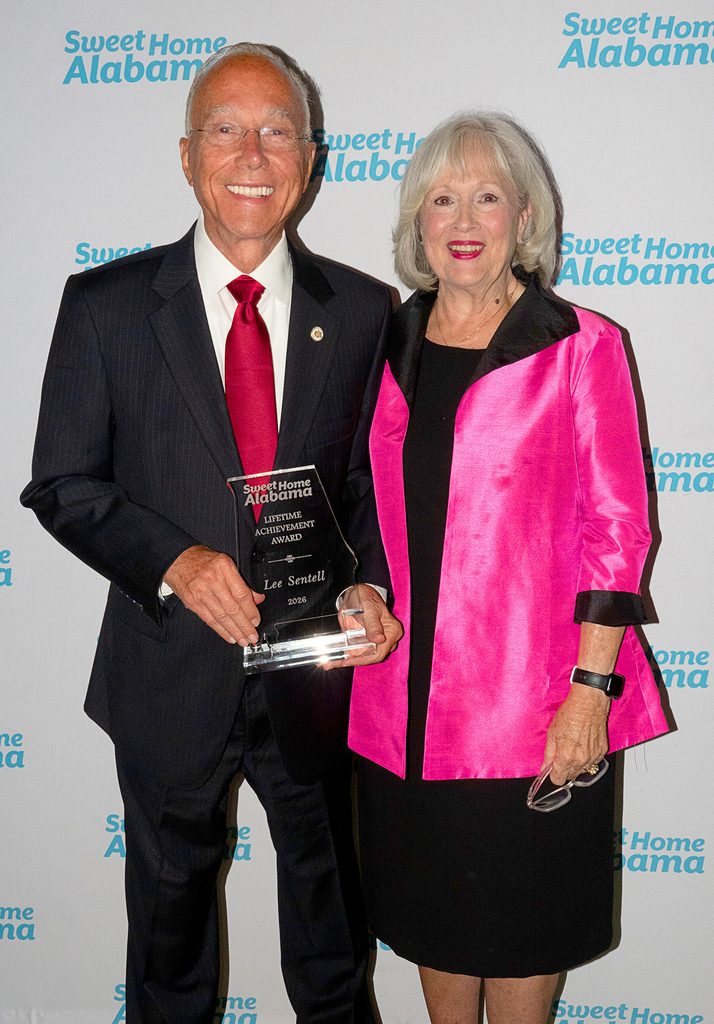
Photo by John Dersham
Riley, who will turn 82 in October, has fond memories of growing up with Sentell in their hometown of Ashland in Clay County, and is proud to have been the governor who appointed him tourism director.
“He’s aways been a good friend and he’s smart as a whip. I don’t know of anyone that’s ever done what Lee has done to change the image of the state of Alabama,” Riley says. “I think he was the best person in this job in my lifetime. No question about it.”
In addition to drawing attention to the state’s civil rights attractions, Sentell’s idea to have an annual campaign focusing on some aspect of Alabama’s diversity from Alabama makers to birds has been another hallmark of his tenure. These ideas took the form of “Year Of” campaigns and some naturally evolved into Trails, like the Alabama Barbecue Trail and the latest, the Alabama Catfish Trail, which was launched in July.
“As you know, my background is in newspapers, and as journalists we look around and see what people are talking about or what they’re interested in,” he explains. “Because of my journalism background I learned that you’ve got to keep changing the subject all the time to keep people interested.”
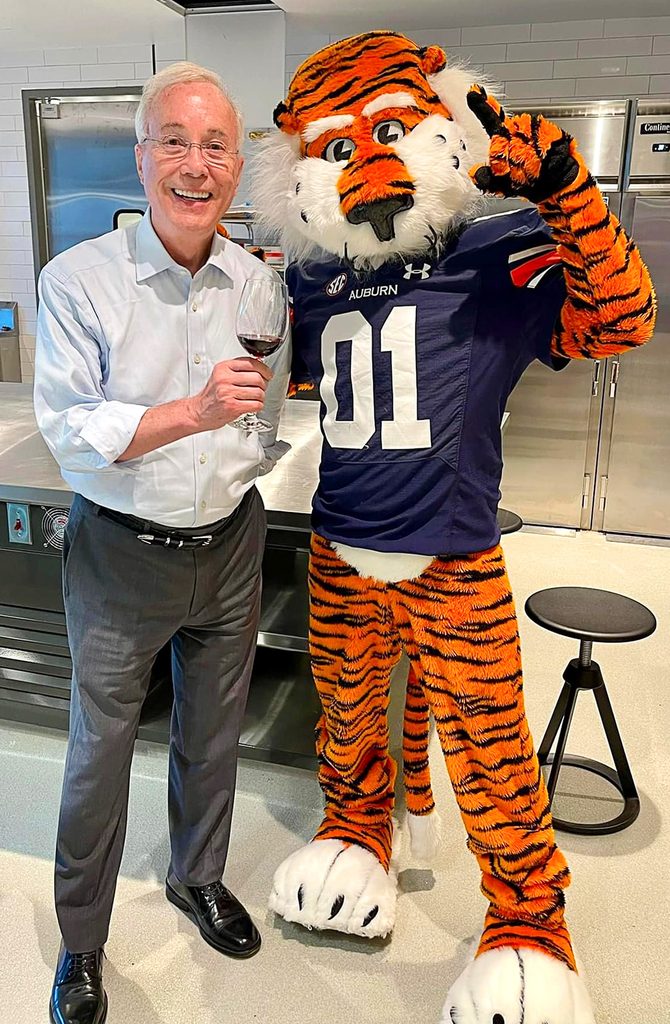
Sentell says he stole the catfish idea from his next door neighbor and friend, Joe Taff, a fisherman, but Taff says, “I helped give him the idea, because we already have the Alabama Bass Trail, which is wonderful.” So with the popularity of catfish, and more fast food restaurants offering catfish on their menus, it seemed like a natural fit to highlight the catfish industry, especially the farmers in west Alabama. “It seems like everybody’s wanting to get on the catfish train,” he adds.
Sentell is also very proud of his effort to have five Alabama civil rights landmarks recognized as UNESCO World Heritage Sites. The nominations have been advanced through Congress to the United Nations but the formal process of designation could take another 10 years, he says. “When that happens, Alabama will have more UNSECO sites than another other state,” he adds. “And that will automatically bring more international tourists to rural areas of our state.”
“100 Alabama Dishes to Eat Before You Die” was another idea of Sentell that became popular during his term. “This was something I made up out of the air one day because for a politician like me, it’s dangerous to say, ‘Oh, my two favorite dishes are blank and blank, and then that means people in 65 other counties are mad at you. So that’s how I started coming up with a list of 100 dishes to eat in Alabama. That way we made 100 communities very happy.”
Now that he’s retired, there should be lots of time to visit those restaurants and make sure their dishes are still worth a visit. In his first month of retirement, Sentell has been enjoying some much-deserved time relaxing by his neighborhood swimming pool, exercising and gardening. “The days are filled up with a lot of fun and sunshine,” says Taff.
And as far as visiting those 100 restaurants? “I haven’t made a dent in that yet.”