“Our children are our future.” I’ve heard that line my whole life. It’s repeated across generations — and even across species. Young animals learn by watching those who raise them. And honestly, so do our kids.
Which makes me stop and ask: What are we teaching them — by what we do, and by what we allow?
Recently, I was invited to speak at a school career day about life in the veterinary field. I love doing this. I usually bring slides, medical tools, little giveaways — the works. This time I was assigned first graders, so I simplified everything: flashlights instead of microscopes, gentle explanations instead of medical terms.
What I didn’t expect was what they would teach me.
I started by asking about their pets. Hands shot up eagerly. But the stories weren’t what you’d hope to hear.
“My dog got run over.”
“I found my dog choked on his line.”
“Mine too.”
“Other dogs came and killed my dog.”
“My dog had puppies and we had to get rid of them.”
“My cat was found dead.”
It kept going.
What stayed with me weren’t just the words — it was their faces. Open, innocent faces almost asking, Is this normal? Is this just how it is?
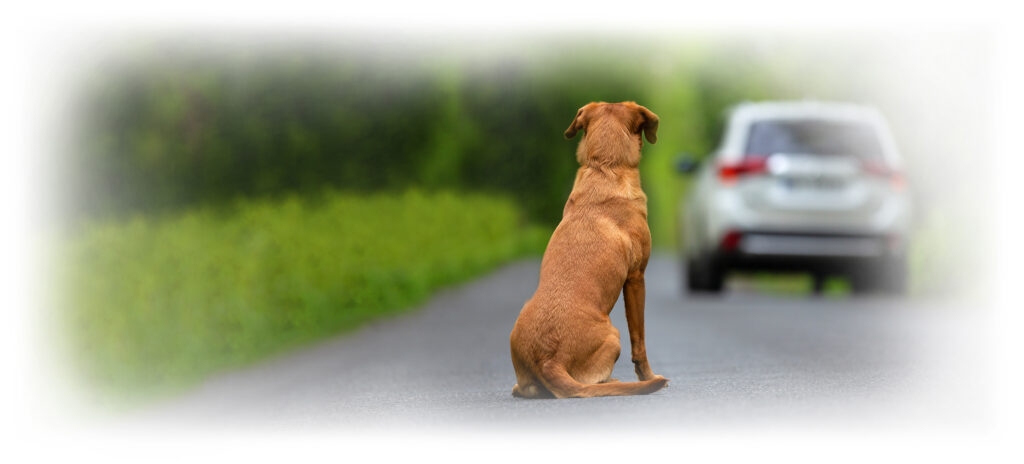
Later, my presentation assistant and I realized more than half the children who shared had experienced significant trauma involving a pet. She quietly told me about her own childhood — being told to push the family dog out of the car when they abandoned him. It stayed with her. Her family wasn’t cruel in their minds. It was simply what people did.
And in too many places, it still is.
That’s why education matters.
Research has shown connections between childhood cruelty to animals and later violence toward people. Not every child exposed to animal suffering becomes violent. But it tells us something important: compassion and accountability aren’t automatic. They’re taught.
Alabama, like many Southern states, has long struggled with stray populations and shelter overcrowding. At the same time, there are encouraging signs — grassroots efforts are growing, more cities and counties are offering low-cost spay and neuter programs and making pet-friendly ordinances, and people are stepping up. Progress is happening — and education can help build on that.
Programs like Mutt-i-grees, a 25-lesson plan developed by North Shore Animal League’s Pet Savers Foundation in partnership with Yale University, are already being used in schools across the country. This isn’t just a pet-care lesson. It’s an education program designed to strengthen understanding, cooperation, decision-making, and responsibility — all through the lens of shelter animals and community impact. It also encourages partnerships between schools and local shelters.
When children understand these issues in age-appropriate ways, perspective shifts early — before harmful habits take root.
For older students, the Discovering Alabama: Animal Friends segments by Dr. Doug Phillips — produced with the Alabama Museum of Natural History and the University of Alabama — offer an honest, locally grounded look at animal welfare issues. Some content is better suited for middle- and high-school students, but paired with the teacher’s guide, it creates meaningful discussion and real understanding. Materials can be ordered by emailing orders@discoveringalabama.org.
And this kind of education doesn’t just belong in schools.
There really is something here for everyone. These materials can be adapted for church groups, Vacation Bible School, day camps, Scouts, pre-school and afterschool programs, libraries and other community settings. Faith-based options are already available, including free short VBS-style lessons like these available at
humaneworld.org/sites/default/files/docs/vbs-curriculum-hsus-2016.pdf) and books like Top 50 Bible Lessons with God’s Amazing Animals are readily available on Amazon. Small group programs like Nose to Tail (humaneworld.org/en/nose-to-tail), offer simple structured ways to teach kindness and stewardship.
Many shelters would welcome the opportunity to be part of that — sharing their experiences and helping children understand the realities in a positive, constructive way. Programs like Mutt-i-grees even include guidance for building these school–shelter partnerships, making it easier for communities to come together and simply start the conversation.
Real change doesn’t come from just one direction. It takes schools, churches, shelters, communities, and city leadership working together — each doing their part, each supporting the other.
When everyone teaches the same message, it sticks.
So here it is.
This is the call to action.
If you are a parent, teacher, administrator, shelter leader, church leader, or simply someone who cares, take a look at these programs. Read them. Share them. Start a conversation with your local school, your church, or your community leaders.
Alabama has faced these challenges for a long time. Education may be one of the most practical and hopeful steps forward — raising children who understand compassion, responsibility, and the impact of their choices before those choices turn into consequences.