Take 15 Minutes to Count Insects and Grow Awareness
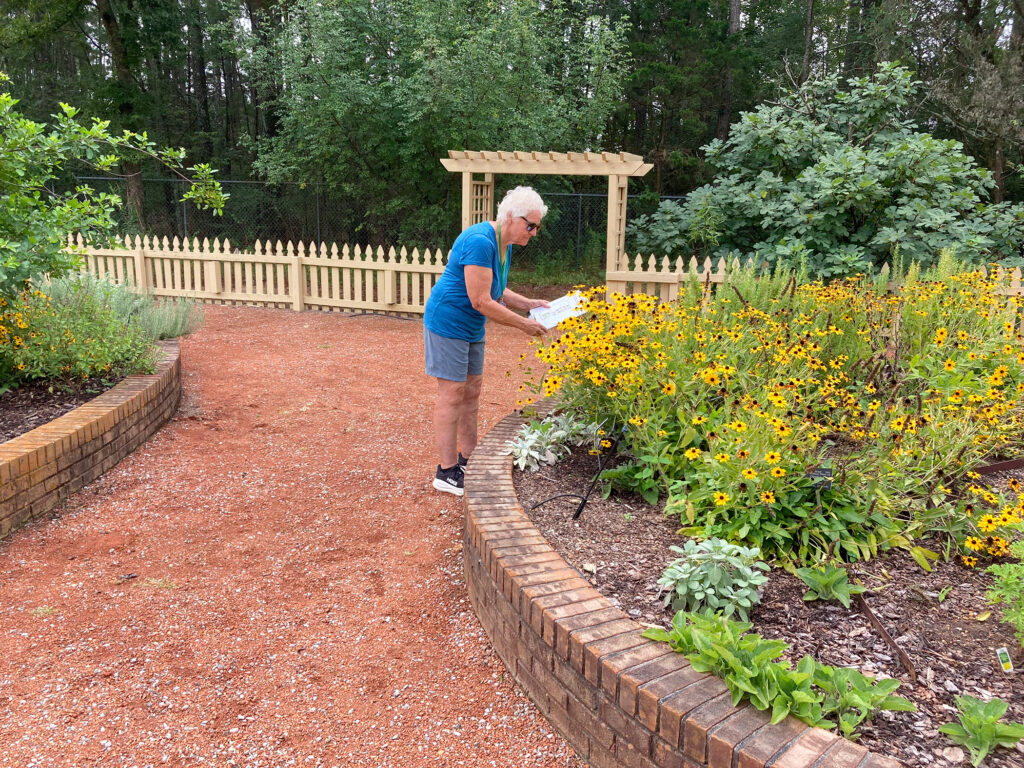
Photo courtesy Auburn Extension
Every August, thousands of people across the Southeast take just 15 minutes to observe insects visiting a blooming plant. What may seem like a simple activity has become one of the region’s largest community science projects—the Great Southeast Pollinator Census (GSEPC).
Coordinated by Extension and university partners across multiple states, the census helps researchers gather information about pollinator activity while increasing public awareness of the insects that support our food systems and natural ecosystems.
The 2025 census was the largest in the program’s history. Across the Southeast, 27,048 counts were submitted, documenting more than 500,000 insects. Participants also created 1,132 new pollinator gardens, and 594 educators incorporated the project into STEM curricula, demonstrating the census’s growing educational impact.
One of the greatest strengths of the census is that it combines three important goals: generating useful pollinator data, encouraging the creation of sustainable pollinator habitat, and increasing entomological literacy—the public’s understanding of insects and the roles they play in our environment. By actively observing pollinators, participants learn to recognize different insect groups and gain a greater appreciation for their ecological and economic importance.
For Alabama, 2025 marked a milestone year as the state joined the census for the first time. Alabama participants submitted 2,867 counts from 55 of the state’s 67 counties, achieving an impressive 82 percent county participation rate. Alabama educators embraced the project as well, with 62 teachers using the census in STEM and STEAM programs. In addition, 62 new pollinator gardens were established to support census participation and pollinator conservation efforts.
Perhaps most importantly, the census is changing how people think about insects. More than 800 Alabama participants reported that taking part increased their understanding of the benefits provided by pollinators and other insects visiting their gardens. It’s easy to overlook the insects buzzing around our gardens, but their impact is enormous. Pollinators help reproduce most flowering plants and many of the fruits, vegetables, nuts, and seeds we enjoy every day. In fact, one out of every three bites of food we eat depends on insect pollinators. That means every tomato, watermelon, squash, blueberry, and countless other crops have a connection to these hardworking insects. By participating in the census, people gain a greater appreciation for the role pollinators play in putting food on our tables
Getting involved is easy. Participants simply select a flowering plant, watch it for 15 minutes, record the number of insect visits they observe within each pollinator group, and submit their observations online.
No advanced insect knowledge is required, and identification guides are available to help beginners distinguish between groups such as honey bees, bumble bees, carpenter bees, butterflies, wasps, flies, and other pollinating insects.
To learn more about the Great Southeast Pollinator Census, access insect identification guides, download counting materials, explore state-specific results, or sign up for census updates, visit GSEPC.org. The website provides resources for individuals, families, schools, garden clubs, and community groups interested in supporting pollinator conservation and participating in future counts.
The 2026 Great Southeast Pollinator Census will take place Aug. 21–22, giving participants another opportunity to contribute valuable pollinator data from their own landscapes. Whether you are a gardener, teacher, Master Gardener volunteer, Scout, student, or simply someone who enjoys nature, the Great Southeast Pollinator Census offers an opportunity to contribute to meaningful research while learning more about the fascinating insects living right outside your door. One count may last only 15 minutes, but the knowledge generated can help protect pollinators for years to come.
Bethany O’Rear, a horticulturist for more than 20 years, is a regional agent with the Alabama Cooperative Extension System, specializing in commercial and home horticulture.