By John Felsher
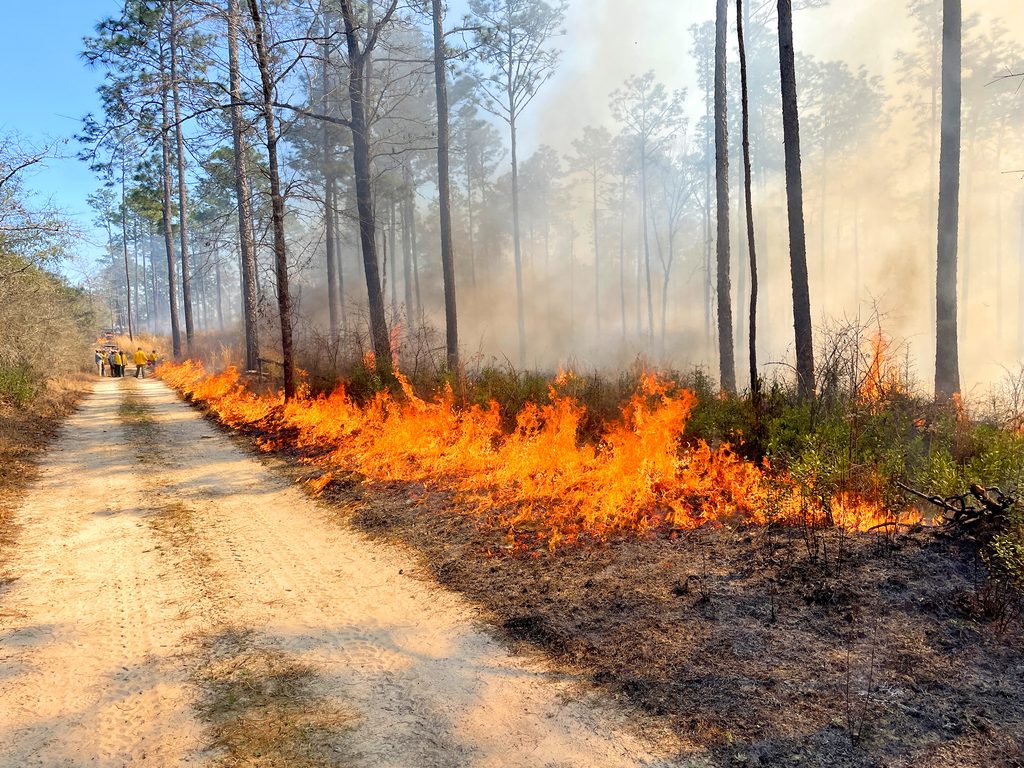
For decades, Smokey Bear warned, “Only YOU can prevent forest fires!” Nobody likes to see wildfires incinerate forests, but some people intentionally set fires for good reasons.
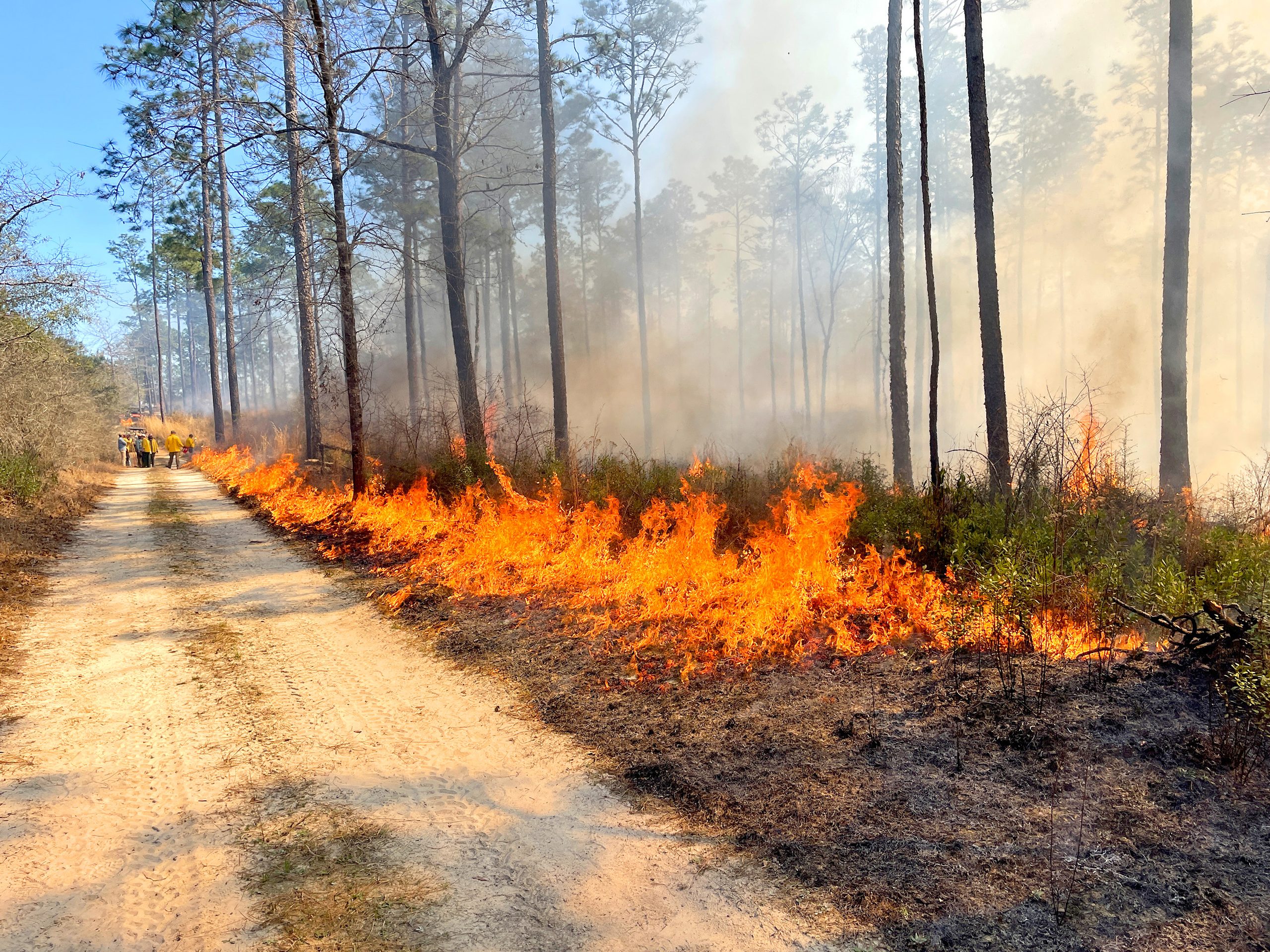
“Prescribed fire is a safe way to apply natural processes and reduce wildfire risk,” says Ryan Mitchell, prescribed fire coordinator for Tall Timbers Services, Inc. “Landowners burn for many reasons, including improving wildlife habitat. Burning can create better habitat for deer, turkey, quail, songbirds and other animals.”
Mitchell also coordinates four regional Alabama Prescribed Burn Associations. With more than 425 members statewide, the PBA links landowners and volunteers for controlled burning activities.
“Our purpose is to bring private landowners together and help them coordinate burning,” says Gary Jarvis, the Southern Pine Hills PBA coordinator in southwestern Alabama. “I recruit landowner members, bring them together and train them how to correctly burn their properties, based on
their objectives.”
For eons, vast longleaf pine forests dominated the Southeast, periodically burned by lightning. Long before Europeans arrived, Native Americans burned forests for many of the same reasons the PBAs do today.
“Native Americans burned to attract game, cut down on pathogens like ticks and other reasons,” Mitchell says. “Many plant and animal species depend on fire. For ground nesting birds, like turkey and quail, the best nesting conditions typically occur two to three years after a fire.”
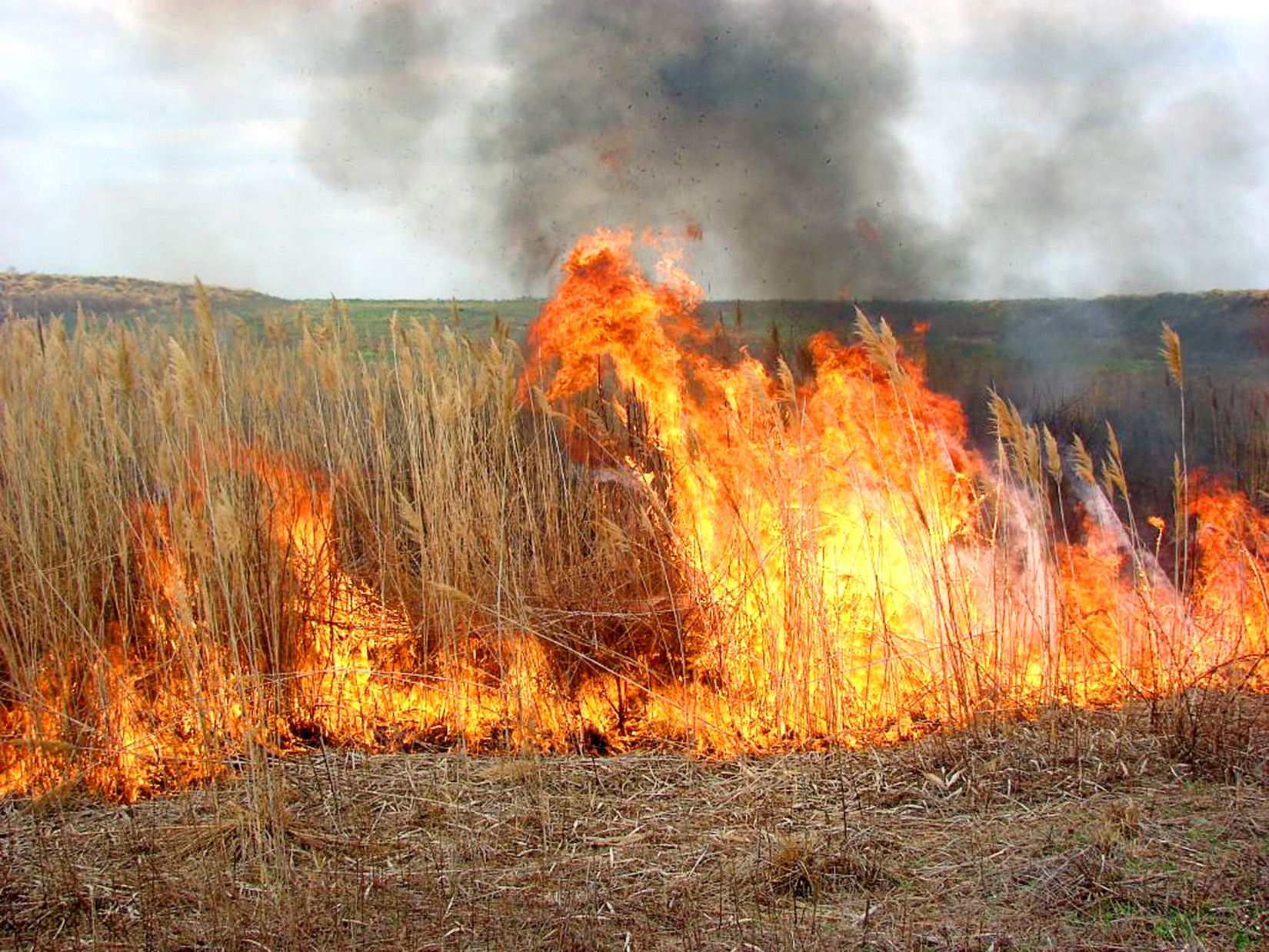
The PBA burns at much lower intensities than wildfires. Controlled burning clears dead logs, branches and underbrush from the forest floor without destroying the trees. Removing this “fuel” helps prevent wildfires and opens forests so animals can move around more easily.
“Many species in southwest Alabama depend on periodic fire for their reproduction,” Jarvis says. “When we burn, we reduce the older, tougher shrubs that the deer don’t want to eat. When it resprouts, the deer like the new tender sprouts much better.”
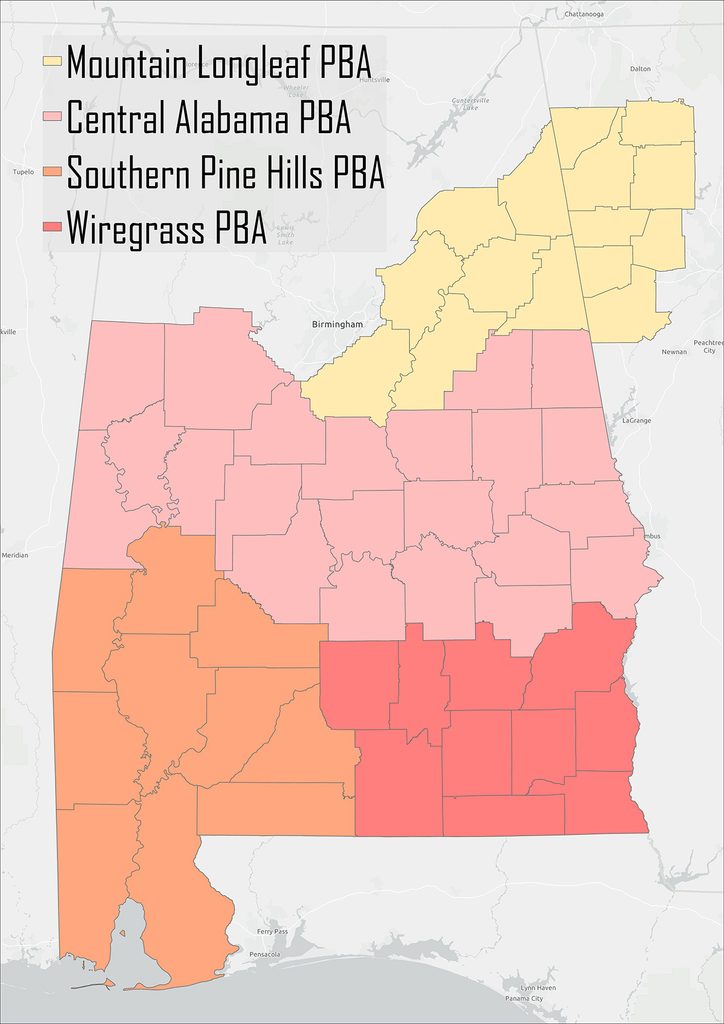
In Alabama, four different regional Prescribed Burn Associations with more than 425 members conduct controlled burning across the state. Map courtesy Prescribed Burn Association
Letting in the sunlight
Clearing brush lets more sunlight reach the ground, stimulating new sprouts that deer, rabbits and other animals eat. Controlled burns also help non-game species, like songbirds, indigo and pine snakes and rare red-cockaded woodpeckers, that need open forests without thick shrubs. Considered federally “threatened” in some Alabama counties, gopher tortoises cannot eat anything higher than 18 inches off the ground.
Sunlight also brings grasses. Mourning doves eat native grass seeds, and grasses attract insects, a key protein source for young turkeys, songbirds and other birds.
Bill Lynn, a U.S. Fish and Wildlife Service biologist, owns 54 acres of mostly pine woods in Washington County.
“I wanted to improve the habitat for wildlife, not just deer and turkey, but bobwhite quail and anything else out there,” Lynn says. “I wanted to clear out lots of brush and understory to create opportunities for wildlife to access young forage.”
Lynn turned to the PBA. A member visited the property, discussed Lynn’s goals and wrote a “prescription,” or burn plan. Jarvis helped Lynn obtain an Alabama Forestry Commission burn permit.
“Prescribed burn associations exist to help landowners conduct prescribed burns safely as neighbors helping neighbors,” Mitchell says. “They work with their members to provide the expertise, technical information, equipment and manpower to landowners to help them get their properties burned.”
First, crews create “fire lines” around the burn area to keep the blaze confined, by bulldozing lanes or using streams or roads. Then they wait for the right weather, especially wind.
On burn day, several members arrive. Some light fires with torches while others watch the fire lines. New members pair with experienced ones, and everyone stays in radio contact. Afterward, the crew “mops up” any remaining embers.
“I burned about 48 acres in February 2026,” Lynn recalls. “The fire really opened the forests. Since then, deer seem to come into the area much more often. Also, we’re seeing fewer hogs and a lot more turkeys. I thank God for the PBA. They did a great job and were very careful.”
Native longleaf species evolved with fire. Animals move away or, like tortoises and snakes, go underground. Trees grow thicker bark near the ground for protection. Soon after a burn, deer, turkeys and other animals return.
For more information, contact the Alabama Prescribed Fire Council through alpfc.org or see alabamapba.org. For the Southern Pine Hills PBA, call Jarvis at 251-288-1084.