Initiative promotes raising, catching and eating catfish
The state of Alabama has started a new initiative, the Alabama Catfish Trail, to put more emphasis on raising, catching and eating catfish. This promotional effort, not a catfishing tournament trail, will highlight all aspects of an often overlooked type of fish.
“The Alabama Catfish Trail is the statewide tourism initiative featuring more than 50 destinations that highlight the state’s rich fishing, farming and culinary heritage,” says Brooklyn Lundy, the Alabama Tourism Department public relations manager. “We want to celebrate the local waterways from north Alabama to the Gulf Coast. We have many iconic fish camps and family-owned restaurants throughout Alabama.”
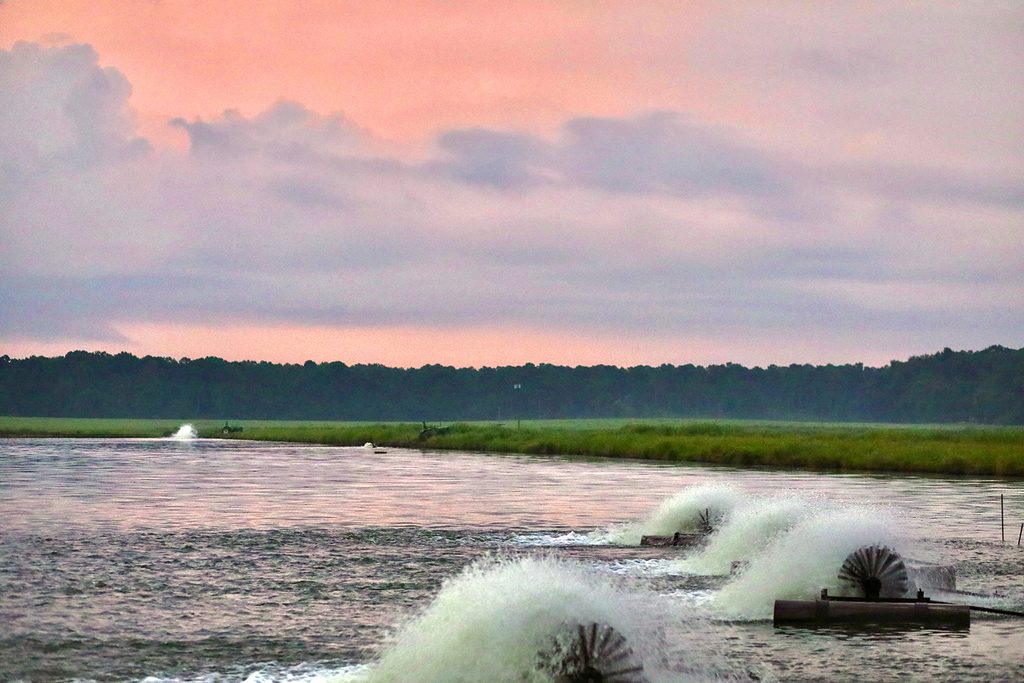
Farm-raised catfish for restaurants and other consumption contributes about $92 million annually to the state economy. About 33 percent of all farm-raised catfish in the nation comes from Alabama, Lundy says.
The Kyser Family of Greensboro began raising catfish six decades ago. In 1967, Bill Kyser started a catfish farm and built some of the first catfish ponds in Alabama. Bill and his two sons, Townsend and Ashley, still run Kyser Family Farms.
“I’m excited about the Alabama Catfish Trail bringing more awareness to the catfish industry and how much it means to the state,” says Townsend Kyser, a board member at Black Warrior EMC and the Alabama Rural Electric Association of Cooperatives, which publishes Alabama Living. “We had the longest running hatchery in Alabama, but we finally realized it was more efficient to buy catfish fingerlings from Mississippi.”
The Kysers buy 5- to 6-inch-long channel catfish “fingerlings” to stock in their ponds in the winter. They feed them floating grain-based pellets made of soybeans and corn. The Kysers let the catfish grow for about 12 to 18 months until big enough to sell.
When catfish reach about three-quarters to two pounds, the Kysers put live fish in trucks with oxygenated tanks and ship them to processing plants. After processing, frozen catfish fillets go to restaurants, food service companies and grocery stores all over the South. Two catfish processing plants still operate in Alabama, one in Eutaw in Greene County and another in Uniontown in Perry County.
“Catfish is one of the state’s most iconic foods,” Lundy says. “We’re highlighting the famous culinary stops and many other places where people can eat locally grown or caught catfish.”
Electricity vital to catfish farming
The Kysers and other catfish farmers face challenges from rising fuel, labor and other costs. They need electricity to power paddlewheels that keep their ponds oxygenated so fish stay alive. Stiff competition from foreign sources, notably Vietnam and China, cuts into their profits.
“The catfishing industry has always fluctuated, but it’s been really tough for the past few years,” Townsend Kyser says. “We rely heavily on electricity. The people at Black Warrior EMC do an excellent job for us. I hope the Alabama Catfish Trail brings some excitement for people to go to restaurants and eat catfish as well as catch fish themselves. Catfish is a great southern delicacy. People can eat it prepared many ways.”
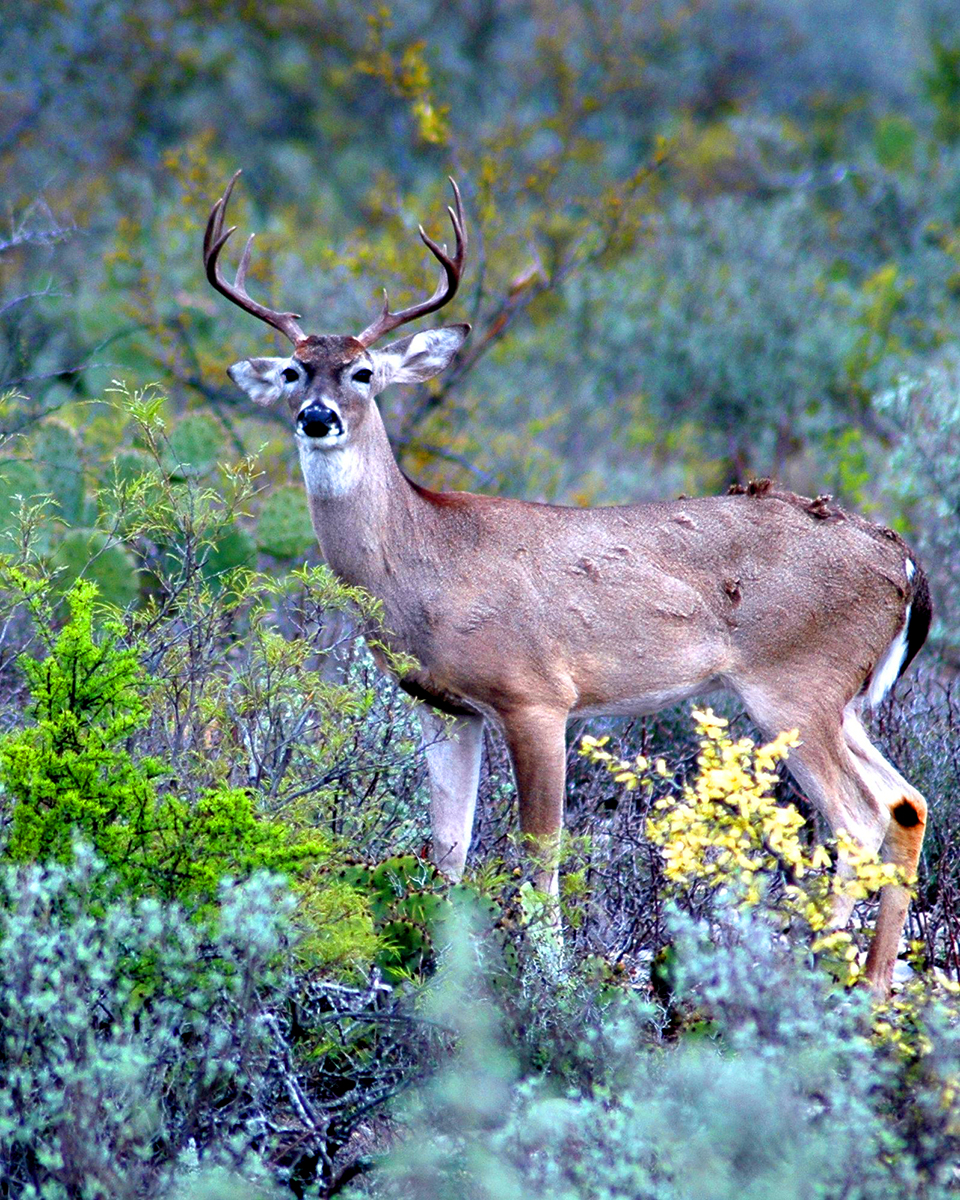
For people who want to catch their own, Alabama offers some of the best catfish action for numbers and size anywhere in the nation. Practically every freshwater stream or lake holds catfish. Alabama anglers might catch four species of freshwater whiskerfish.
Channel catfish occur statewide and can exceed 40 pounds. Alabama periodically stocks channels into many public fishing lakes. Both blue and flathead catfish can weigh more than 100 pounds, giving anglers opportunities to catch giant, powerful fish without spending a fortune to go offshore. Blue and channel catfish eat almost anything including fish, shrimp, crawfish and insects. Voracious predators, flatheads almost exclusively eat live fish.
Not as well known, white catfish look similar to channels and average about 12 to 18 inches long. The state record weighed 10.50 pounds. Alabama anglers might find white catfish in the Mobile River Basin, Chattahoochee and Tennessee River systems.
The Tennessee River and associated reservoirs rank among the best places for catching monster catfish. The Mobile Basin, Alabama, Chattahoochee, Coosa, Tallapoosa and Tombigbee River systems and associated reservoirs also hold good catfish populations with some huge fish.
“We want more people come to Alabama, fish our waterways and enjoy eating catfish,” Lundy says. “When people come from out of state to fish in Alabama, it’s a big economic driver. The Alabama Catfish Trail is not just a great economic impact booster, but it’s also a way to get people to come here and explore all the beautiful waterways that Alabama has to offer.”
For more information on the Alabama Catfish Trail, call 334-242-4169 or visit alabama.travel/alabama-catfish-trail.
John N. Felsher lives in Semmes, Ala. He also hosts an outdoors tips show for WAVH FM Talk 106.5 radio station in Mobile. Contact him at j.felsher@hotmail.com or through Facebook.