By Lenore Vickrey
Alabama’s Black Belt, a span of 23 counties stretching through the west and southern part of the state, has long been known for its artistic heritage, rich history and distinctive landscape. A new initiative, the Alabama Black Belt Maker’s Trail, is shining the spotlight on the creative personalities who live and work in the Black Belt and invites visitors to experience their work alongside them.
The trail kicked off officially last month but interest is already building, says Pam Swanner, executive director of Alabama Black Belt Adventures. Designed to be more than an observational visit to a destination, the trail is a curated experience where visitors can interact directly with the makers and take home a unique craft they made themselves.
Organizers hope participants will want to visit not just one, but all the makers. “I don’t imagine anyone can take one of these experiences and not come away with a better understanding of the Black Belt,” says Swanner, “but also with this desire to go see the other makers on the trail. And all the makers are passionate about the Black Belt.”
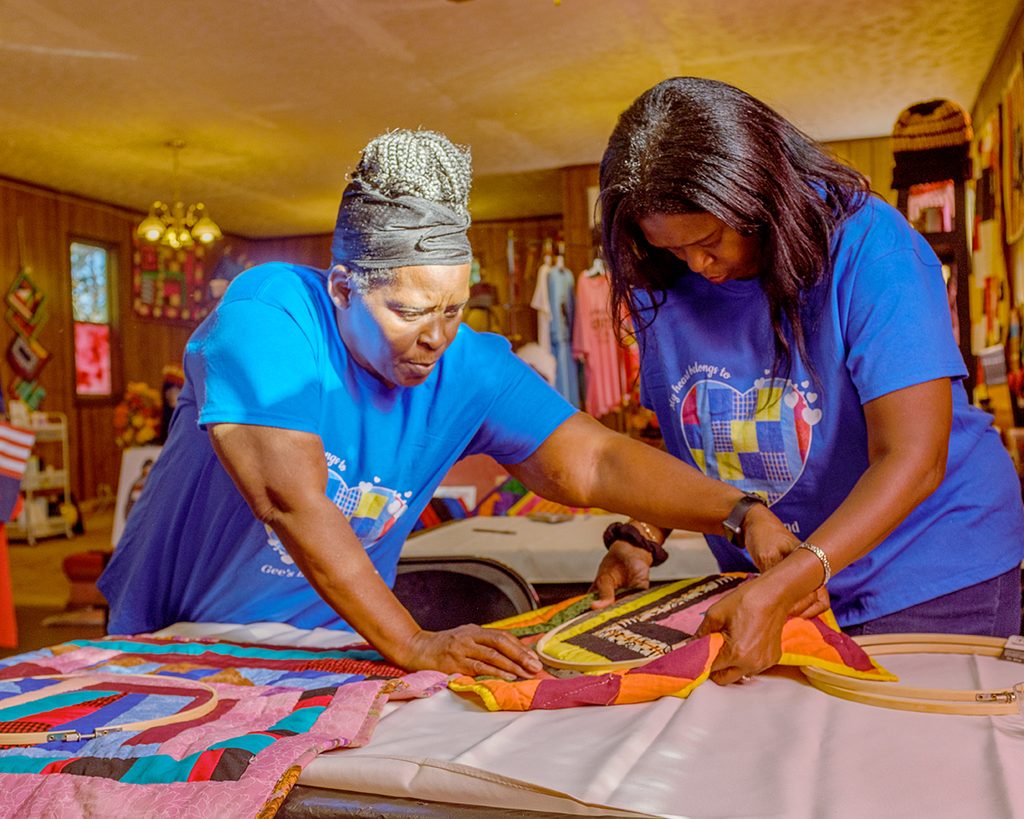
The first core group of makers includes Andrea Williams and Claudia Pettway Charley, quilters from Gee’s Bend in Wilcox County; Butch Anthony, self-taught artist from Seale in Russell County; Aaron Sanders Head, textile artist from Greensboro in Hale County; and sculptor Charlie “Tin Man” Lucas of Selma in Dallas County. Others will be added, for a total of about 10 to 12, including Scott Peacock, whose “biscuit experience” workshops in Marion already garner a national following.
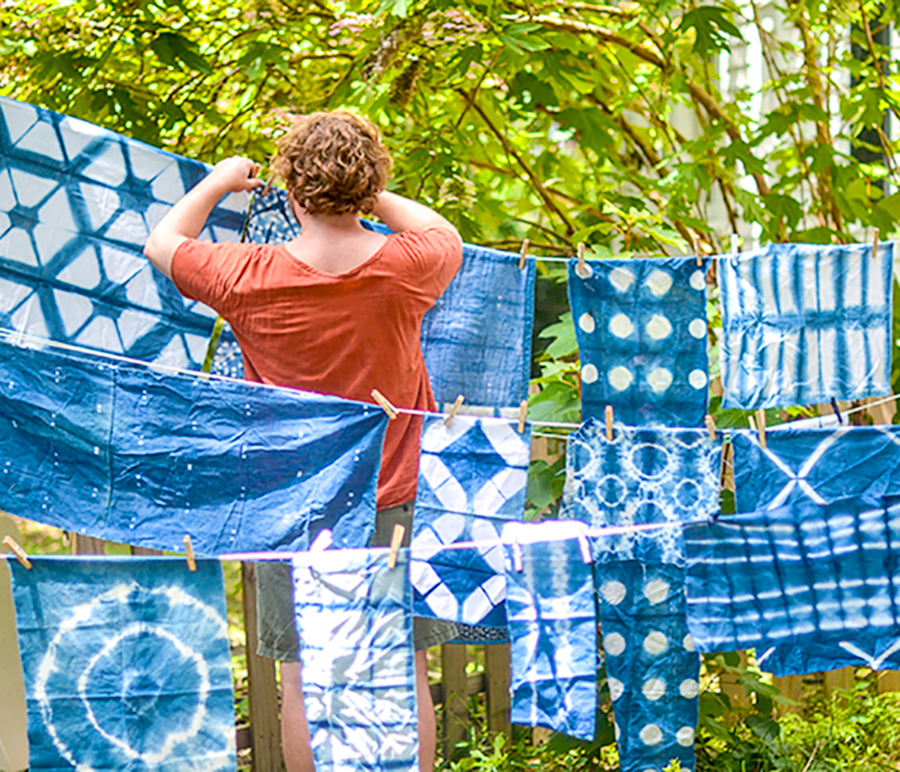
Aaron Head has already held a maker’s class at his Sumac Cottage, a restored early 19th-century home in Greensboro, where he can comfortably instruct 12 people. Participants learned how to dye their own fabric using indigo, a plant that Head grows on his property, and other plant-based dyes.
“We grow 10 different dye plants in the garden,” he says. In addition to indigo he also grows three or four kinds of marigolds, coreopsis, and madder, a climbing plant known for its red dye color.
Born to a mother who was a textile artist, quilter and sewer, and a father who was a farmer who worked for Bonnie Plants, Head says he came by his interest in fabric and plants quite naturally. His interest in dye was piqued when he took an indigo dyeing class 10 years ago. Originally from south Montgomery County, he’s called Greensboro home for the past six years.
“I got really interested in the color palettes that felt like they were from the place that we were making the artwork in,” he says. “So I wanted to make quilts and textiles in Greensboro that looked like Greensboro and grow plants here and use things here from the earth.”
People are encouraged to bring their own white, natural fabric from home, such as linens or clothing. Head provides a yard of fabric. “Some will bring a suitcase full of clothes and one even brought their wedding dress one time,” he recalls. “I provide all the indigo and all the materials.”
One of his biggest fans who’s taken several classes already is Loretta Lynn, a fellow textile artist and non-traditional embroiderer from Tuscaloosa. “Aaron is the person who inspired and mentored me,” she says, even encouraging her to grow her own dye garden. “He teaches you to open your eyes to look at the world in a different way, and that each geographic area has its own palette. He’s very positive and supportive.”
Want to dye your own fabric, stitch a quilt, or create something out of the ordinary? Organizers have made it easy for trail visitors to make travel plans by providing names of restaurants, overnight lodging and historical landmarks in the areas near each location. Detailed information is at alabamablackbeltadventures.org/makers-trail.
“Sometimes people don’t expect there to be these elevated, highly unique experiences, in the Black Belt,” says Swanner. “But they are there.”