Sportsmen should enjoy a good deer season this year
By John Felsher
Alabama offers sportsmen one of the longest deer hunting seasons in the nation. Depending upon where in Alabama they hunt and with what, sportsmen could pursue white-tailed deer from October through early February.
“During the 2025-6 season, more than 232,000 people hunted deer in Alabama,” reports Landon F. Johnson, the assistant deer program coordinator for the Alabama Wildlife & Freshwater Fisheries Division. “We estimate that hunters harvest more than 330,000 deer annually in the state. Every county has deer. We probably have well more than a million white-tailed deer in Alabama.”
Hunters anticipate another good year. The “mast” crop, the amount of natural foods such as acorns and persimmons produced, looks good this year. Deer love acorns and should find them in abundance this season.
“Normally, the mast crop varies across the state,” Johnson says. “Some areas are poor and others good. When we have too many acorns across the state, that can hinder some people because that spreads out deer populations instead of focusing them in specific areas. Toward the end of the 2025-6 season, harvest numbers started to pick up a bit.”
Most people want to hunt “the rut,” the deer breeding season. During this time, normally wary bucks lose a bit of their caution as they pursue as many does as possible. Decades ago, when Alabama had few deer, the state imported animals from other states to rebuild the population. Those deer kept their instinctive rutting times. Therefore, Alabama deer rut at various times across the state.
“Alabama has a variety of rutting activity across the state since we restocked deer in Alabama from multiple different areas,” Johnson says. “Deer hunters could ‘chase the rut.’ Someone could open the season in Zone E and chase the rut to the end of the season in southern Alabama.”
Best spots for big bucks
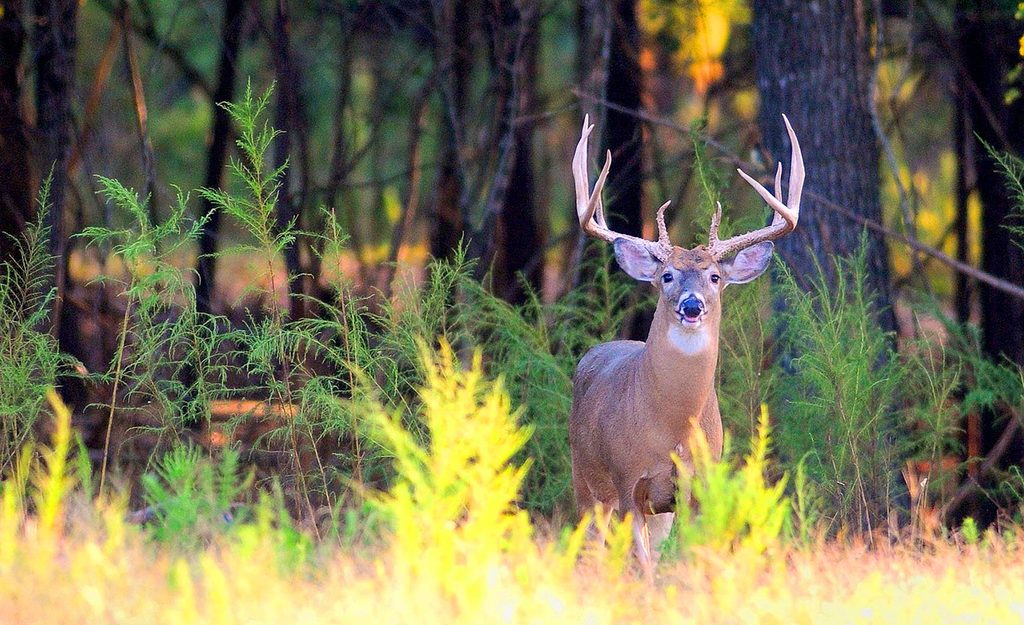
One of the best places in the state to bag a big buck, the Talladega National Forest covers 392,567 acres in three ranger districts at the southern edge of the Appalachian Mountains east of Birmingham. During the 2025-6 season, a hunter downed a buck scoring 187 inches while hunting in the national forest.
“Traditionally, Barbour, Colbert, Dallas, Jackson and Lauderdale Counties produce the most big deer in Alabama,” Johnson says. “The Talladega National Forest and Bankhead National Forest produce some of the biggest deer in the state. Black Warrior Wildlife Management Area is a good place to go for big bucks. Choccolocco WMA is another good area for big deer. I’d also recommend Hollins or Oakmulgee WMAs.”
William B. Bankhead National Forest covers 181,230 acres northwest of Birmingham. The largest wildlife management area in the state, Black Warrior WMA covers 91,263 acres of Lawrence and Winston counties within the boundaries of Bankhead National Forest.
Sportsmen traditionally bag bigger bucks in the northern parts of Alabama, but the southern counties typically hold more deer per acre, especially from the Black Belt region down through Baldwin and Mobile counties. Those areas can produce some big deer as well.
“For sheer numbers of deer, some better public hunting properties include Lowndes or Oakmulgee WMAs,” Johnson says. “Some of our Special Opportunity Areas can also produce good deer. Some better ones are Portland Landing, Cedar Creek and Uchee Creek SOAs.”
Small SOAs offer limited hunting, so they see significantly less pressure than most public areas. People must apply to hunt certain days. If selected, that person can exclusively hunt an assigned section of the property on designated days.
When hunting public lands, look for food sources, like acorns dropping or other natural forage. Scout several places to hunt. On public land, the first person who gets to the spot that day can hunt there.
Whitetails also like transitional areas, such as a pine forest leading down into a hardwood bottom. These transitional areas act like highways for deer as they travel from bedding places to feeding areas and back.
“Deer are edge animals,” Johnson says. “They like places where two different habitat types merge together. Any place that changes from one habitat type to a stark different one can be a high traffic area for deer.”
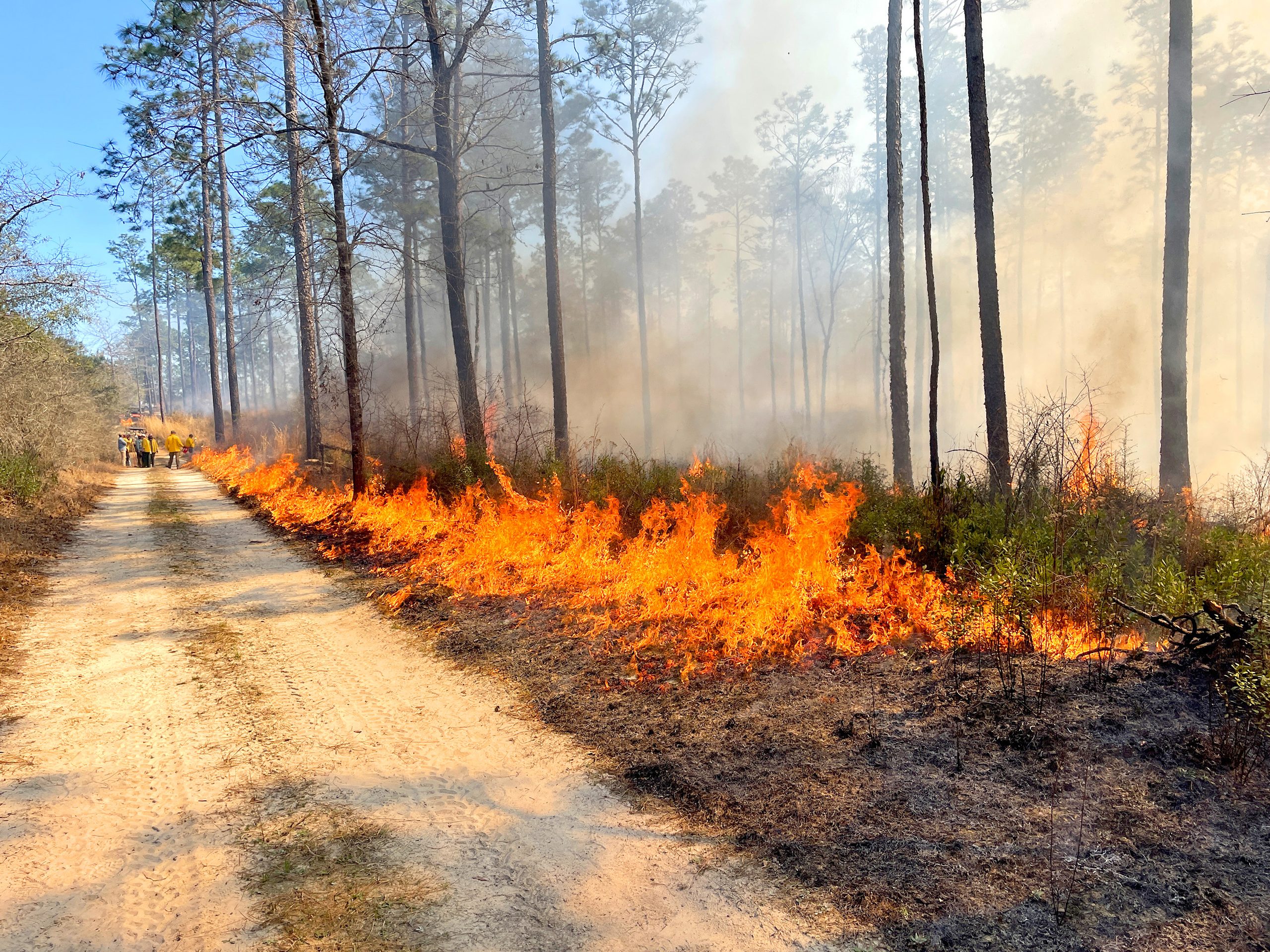
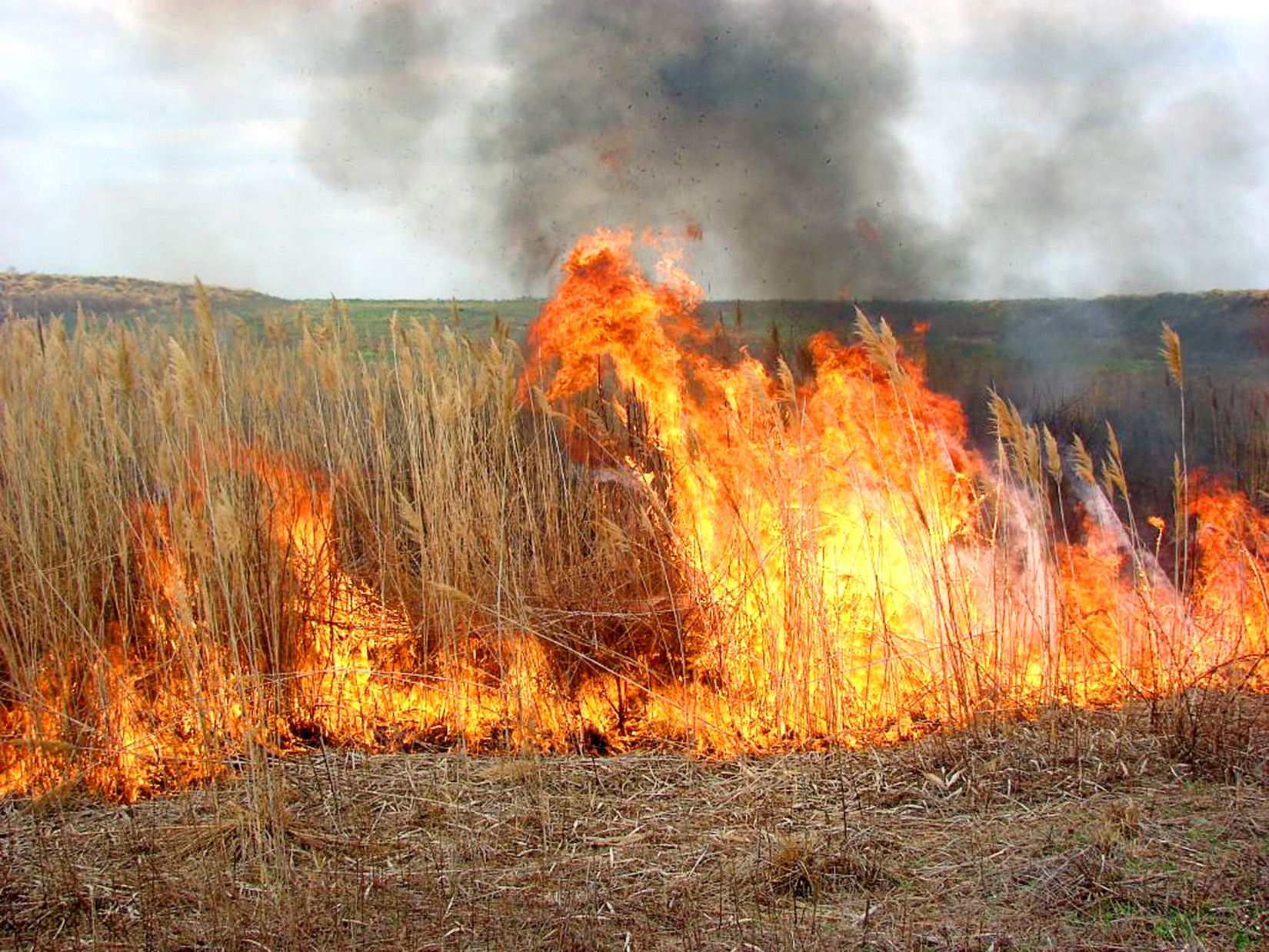
Cut-overs and fresh burns also make great places to find deer. Thinning the trees and removing thick brush allows sunlight to hit the ground. That encourages new plant growth. Deer love to munch tender new green spouts. Even a place burned a year ago could still sprout new growth.
For season dates, regulations and places to hunt, see outdooralabama.com/hunting.
John N. Felsher is a professional freelance writer who lives in Semmes, Ala. He also hosts an outdoors tips show for WAVH FM Talk 106.5 radio station in Mobile, Ala. Contact him at [email protected] or through Facebook.