It was one of those winter nights just before Christmas when the wind sounds like it’s carrying secrets — sharp, restless, and full of voices from the woods. The kind of cold that sneaks under the door frame and makes you hesitate before stepping outside.
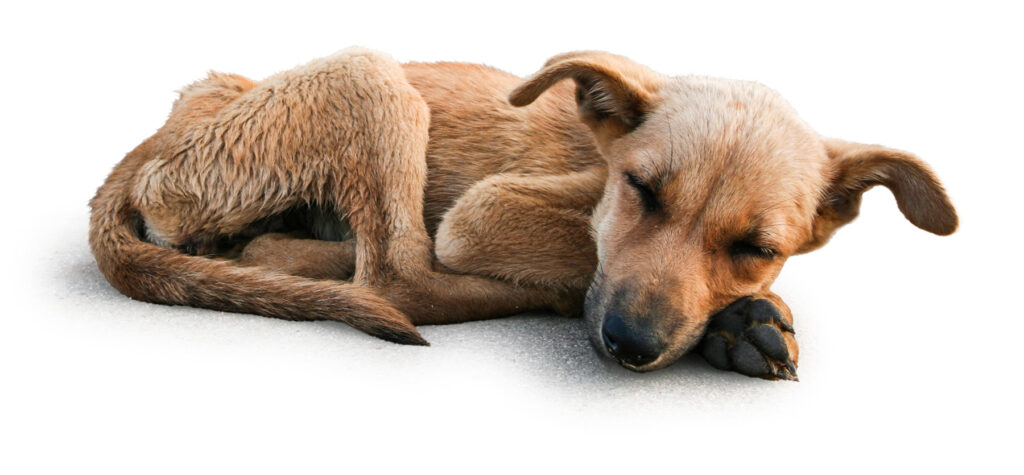
That’s when they saw her — a thin, trembling shadow near the woodpile. At first, just a flash of eyes reflecting the porch light. Then a hesitant step forward. A little dog, all ribs
and worry.
She froze when the door creaked open. Her tail gave one uncertain wag, as if asking permission to exist.
“Mercy me,” the husband murmured. “She’s half a ghost.”
The wife nodded, already heading inside for a blanket and a leftover piece of cornbread. Compassion doesn’t always wait for a plan — it just moves.
They didn’t name her that night. You don’t name heartbreak until you’re sure it’s staying. But they left out food, water, and the softest blanket they had. By morning the blanket was crumpled and warm. The food was gone. The dog was still there, sitting in the pale dawn light like she’d finally decided she was safe.
Compassion isn’t measured by how many animals we can save, but by how many hearts are willing to try.
When the couple stepped out, she didn’t run. She lowered herself to the ground, tail thumping, eyes searching their faces for the verdict — stay or go.
That’s how most stray stories begin: a decision made quietly in the cold, with no fanfare. Just a human and a dog and a moment of mercy.
The hard truth about strays
Stray dogs aren’t always born wild. Most start out as someone’s pet — until they aren’t. Some run off during fireworks and never find their way back. Others are abandoned when the rent’s due or when puppies outgrow their “cute” phase. Some, heartbreakingly, are tossed out on purpose, as if loyalty were disposable.
Winter is especially cruel. Thin coats can’t keep out the cold. Empty bellies ache louder at night. Water freezes, paws crack, and even the strongest survival instinct begins to fade when the temperature drops.
Shelters do what they can, but most rural areas don’t have enough space or funding. Rescue volunteers drive back roads in old trucks, leaving food and prayers. For every dog saved, two more go unseen.
That’s why small acts — a meal, a blanket, a bit of patience — matter so much.
Compassion isn’t measured by how many animals we can save, but by how many hearts are willing to try.
Earning trust, one meal at a time
It took three days before she dared to step onto the porch. A week before she let them touch her. They learned she liked her food warmed and her blanket near the heater. The wife started calling her “Mercy,” the husband said “Missy” — and somehow both stuck.
Each night she came closer — from the porch edge to the doormat, then one cold morning, straight into the kitchen like she’d always belonged there. She wanted to trust, but trust is hard currency for a soul that’s been spent before. Each inch closer was a tiny rebellion against fear.
She didn’t bark or beg. She just curled up by the woodstove and sighed — that long, heavy sigh of someone who’s finally stopped running.
The wife watched her for a while before whispering, “She’s home now, isn’t she?”
“Looks that way,” her husband said. “Guess we’ve been adopted.”
The warmest thing we own
There are thousands of Missys out there tonight — dogs curled in ditches, huddled under trailers, pacing behind gas stations. Each one with a story that began with someone and could end with someone else — someone who decides to care.
Not everyone can take in a stray, and that’s okay. But everyone can do something. Drop food at a rescue, foster for a week, share a post, or report an animal in danger. Every small kindness ripples outward.
Still, kindness alone can’t mend the whole problem. Real change takes more than warm hearts — it takes informed voices. We need stronger animal-protection laws, and for that, we need to understand what works.
If you’ve ever wondered where to start, visit paws4change.com — an educational site run by an animal-law expert. Learn what’s being done, what’s needed, and how your voice can help shape compassionate legislation.
Because compassion isn’t about fixing every problem — it’s about refusing to ignore one.
Julie Bjorland is a Licensed Veterinary Technician (LVT) and has been working alongside Goutam Mukherjee, DVM, MS, Ph.D. (known as Dr. G) for the past 20 years. To suggest a topic for discussion, email [email protected]