In Alabama, spring rarely arrives on a set schedule. One week the soil feels cold and soggy, and the next you’re wondering if you should already have seeds in the ground. A little preparation now — whether you garden in the ground, raised beds, or containers — can make spring planting easier and far more successful.
Build better soil before you plant
Healthy vegetables begin with healthy soil, and many Alabama garden soils need improvement. Our soils are often compacted, heavy in clay, or low in organic matter. Research-based gardening recommendations emphasize amending soil with organic materials to improve structure, drainage, and nutrient availability.
In early spring, work compost, leaf mold, aged manure, or finely ground pine bark into the top 6 to 8 inches of soil. These materials help loosen clay soils, improve moisture retention in sandy soils, and support beneficial soil microbes. Improving soil structure now helps crops better tolerate Alabama’s heat and heavy rainfall later in the growing season.
As discussed in a previous article, soil testing remains an important tool for guiding lime and fertilizer decisions. While those details won’t be repeated here, gardeners should keep recent soil test results in mind as they prepare beds for planting.
Important precautions when using manure
Manure can be an excellent soil amendment, but gardeners should use it with care. Some manure may contain residual herbicides that were applied to hay or pasture grasses fed to livestock. These herbicides can pass through animals without breaking down and remain active in manure or compost.
When contaminated manure is applied to gardens, sensitive crops such as tomatoes, beans, peas, peppers, and potatoes may develop twisted leaves or stunted growth. To reduce risk, gardeners should learn the source of manure, avoid applying fresh manure directly to vegetable beds, and consider conducting a sample test by planting beans or tomatoes in amended soil before widespread use, as these plants will show damage very quickly.
Know when it’s safe to plant
Alabama’s long growing season is a major advantage, but frost timing still matters. Average last frost dates vary across the state, and planting warm-season crops too early can delay growth or damage plants.
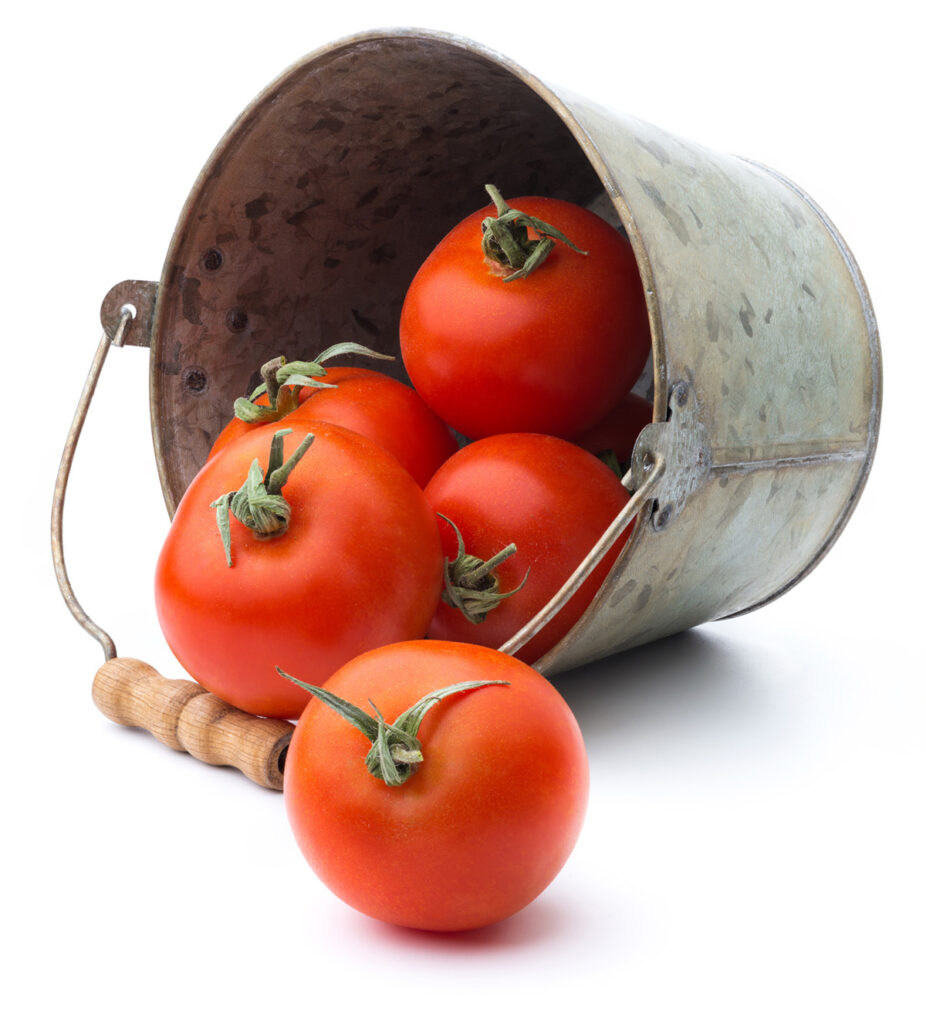
In general, gardeners in north Alabama may need to wait until mid-April to plant frost-sensitive crops, while those in central Alabama can often plant in late March or early April. Cool season vegetables like lettuce, peas, cabbage, broccoli, and spinach tolerate light frost and can be planted earlier. Warm season crops — including tomatoes, peppers, squash, beans, and okra — should wait until frost danger has passed.
Soil temperature matters more than the calendar
Beyond frost dates, soil temperature plays a critical role in successful planting. Cool soil slows germination and root growth — even when air temperatures feel warm.
Cool season vegetables generally perform well once soil temperatures reach 45 to 50 degrees F. Warm season crops need warmer soil — typically 60 to 65 degrees F or higher — for proper establishment. An inexpensive soil thermometer takes the guesswork out of spring planting. Raised beds and dark mulches can help soils warm faster, especially in north and central Alabama.
Choose the best location
Vegetables thrive in sunlight. Select a site that receives at least six to eight hours of direct sun daily and avoid planting near trees or shrubs that compete for water and nutrients. Good air circulation helps reduce disease problems in Alabama’s humid climate.
Don’t forget container gardening
Container vegetable gardening is a good option for patios, porches, and small yards. Use containers with drainage holes and fill them with a high-quality potting mix, not garden soil. Containers warm faster in spring but dry out more quickly, so they require frequent watering and regular fertilization. Tomatoes, peppers, lettuce, herbs, and bush beans perform well in containers.
Clean up, plan and mulch
Before planting, remove old plant debris and weeds to reduce insect and disease issues. Plan crop placement and rotate plant families when possible. Once planting begins, mulch helps conserve moisture, suppress weeds, and moderate soil temperature.
With attention to soil preparation, planting timing, and careful amendment choices, Alabama gardeners can start strong and enjoy a productive vegetable garden all season long.
Bethany O’Rear, a horticulturist for more than 20 years, is a regional agent with the Alabama Cooperative Extension System, specializing in commercial and home horticulture.