
The Selma to Montgomery March Ends
“This march will not continue.” These words, uttered into a megaphone by a lawman, crackled through the air at the foot of Selma’s Edmund Pettus Bridge on “Bloody Sunday.” Few months in Alabama history have been more consequential than March 1965.
Calls for a protest march from Selma to Montgomery came after years of civil rights organizing in the Black Belt, and in the days following the February murder of Jimmie Lee Jackson during a demonstration in Perry County. Martin Luther King Jr. suggested that Black Alabamians march to the State Capitol to demand justice for Jackson and equal voting rights for all.
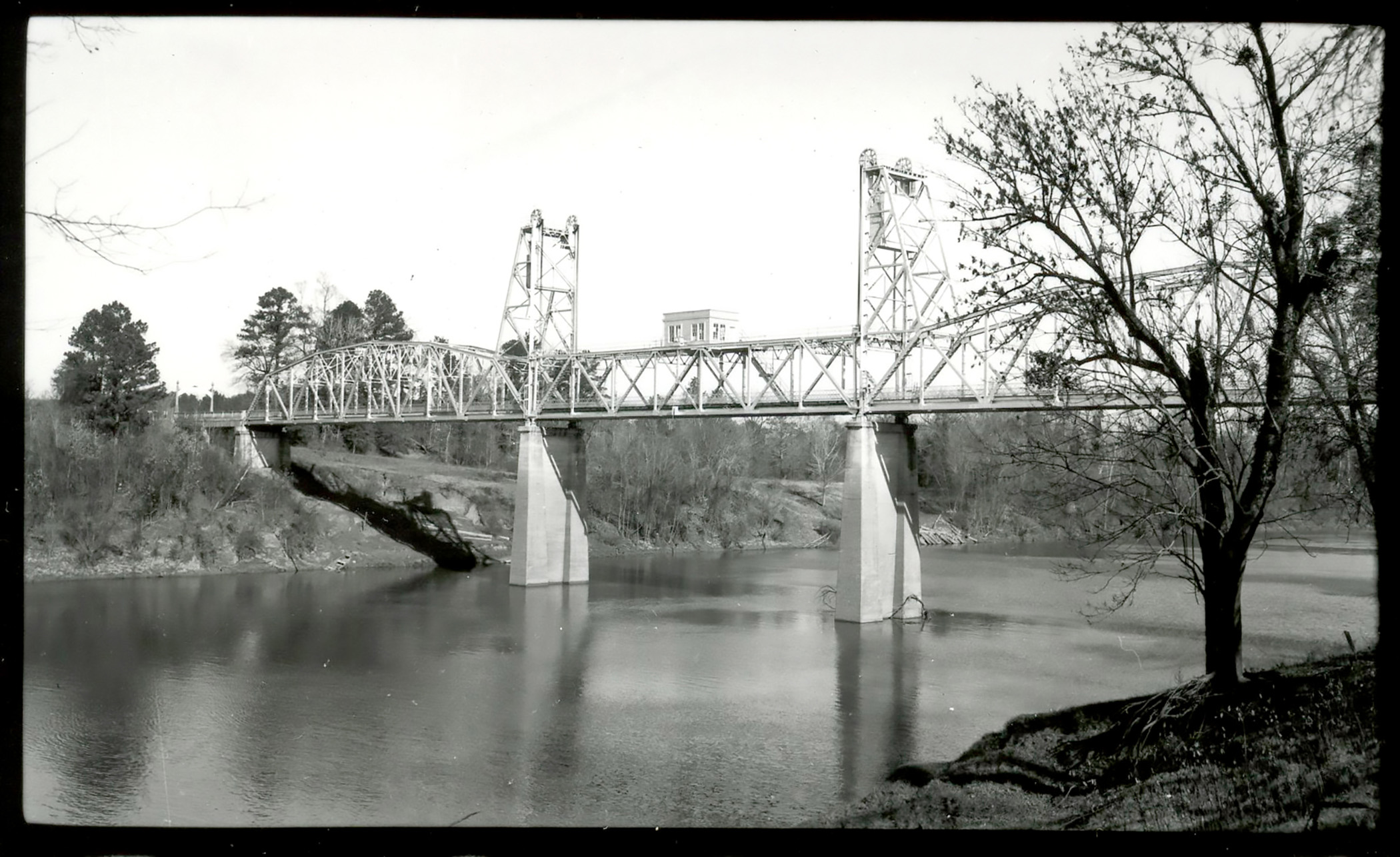
They began on March 7, winding through Selma, 600 strong. At the bridge, a throng of law enforcement officers blocked their path. Footage of what followed soon reached into American homes: Scenes of peaceful protestors being beaten in a haze of tear gas.
Thousands answered King’s call to travel to Selma and continue the march. Boston Rev. James Reeb and Viola Liuzzo of Detroit were among them; both were murdered in the days that followed. The ongoing violence prompted President Lyndon Johnson to issue a forceful call for immediate passage of the Voting Rights Act. He signed the bill on Aug. 6, 1965.
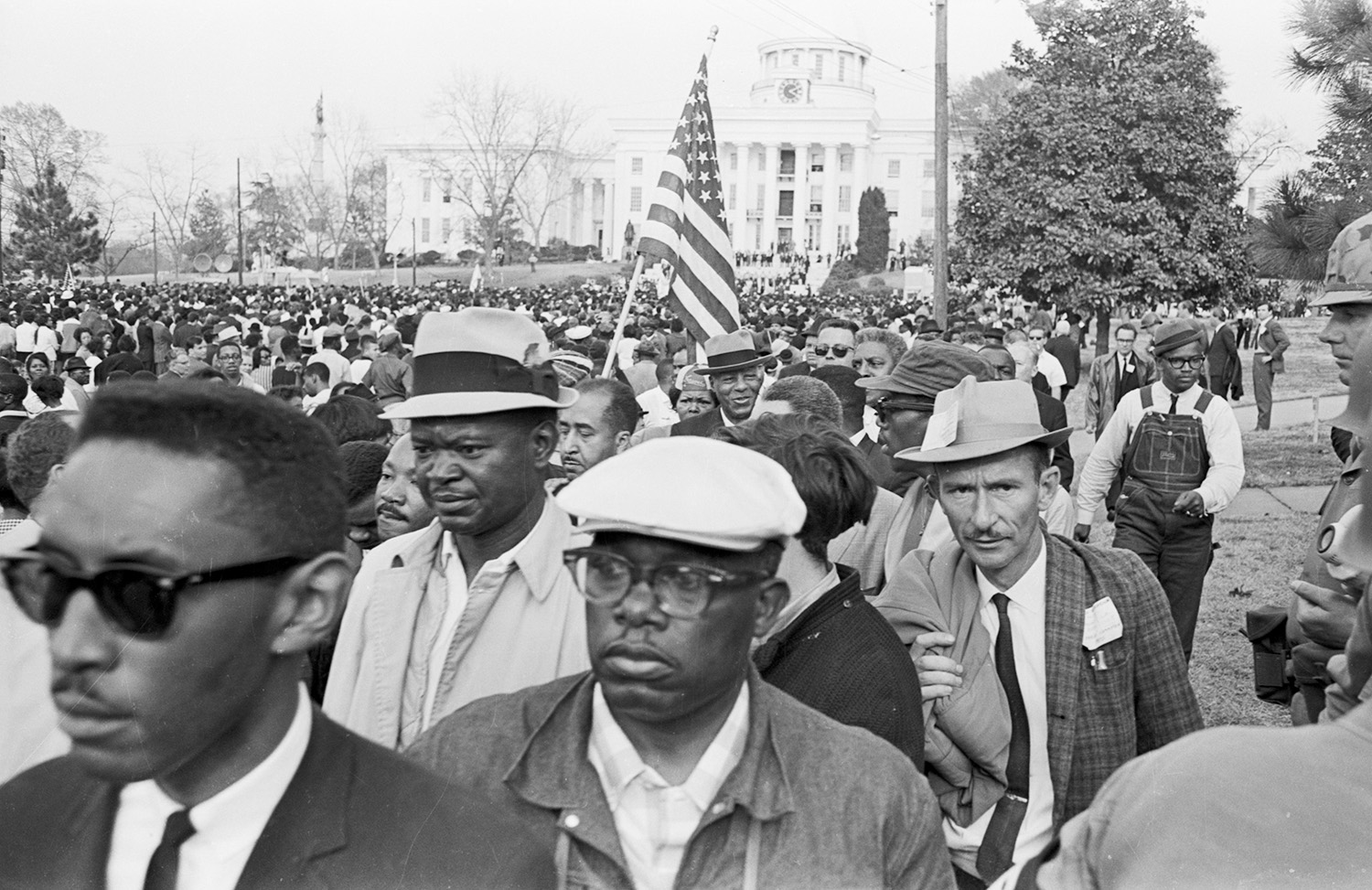
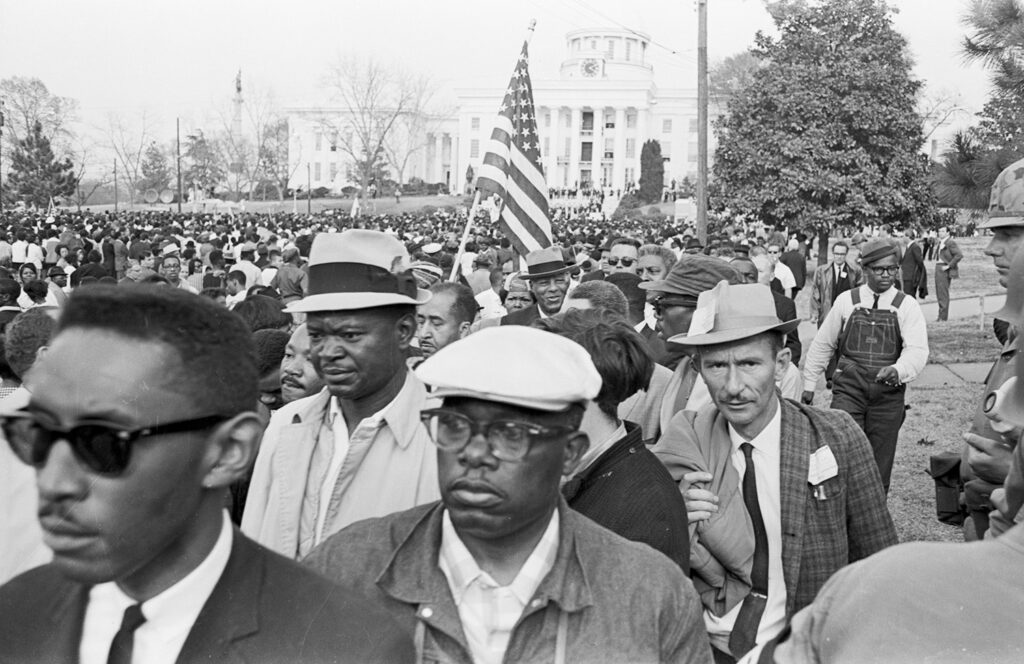
Two weeks after Bloody Sunday, on March 21, King and 8,000 supporters crossed the bridge and continued on to Montgomery. They marched under the protection of 2,000 National Guardsmen and a federal court order preventing further state interference.
On the last day, March 25, 1965, King addressed a crowd of 25,000 from the Capitol steps. “All the world today knows that we are here,” he proclaimed, before returning to a familiar, sustaining refrain: “The arc of the moral universe is long, but it bends toward justice.”
— Scotty Kirkland