
If you’ve ever wondered when or how to prune your ornamental shrubs, you’re not alone. In Alabama, where our climate encourages lush growth, pruning is essential for keeping plants healthy and attractive. But here’s the good news: With a little know-how, pruning doesn’t have to be intimidating.
Pruning isn’t just about shaping plants to look pretty. It’s about plant health. Removing dead, diseased, or damaged branches improves air circulation and reduces pest problems. It also encourages new growth and flowering. Think of pruning as giving your shrubs a fresh start.
One of the most common mistakes homeowners make is pruning at the wrong time. The May Rule is a great guide for making sure that you get the timing just right.
• Spring-flowering shrubs (bloom before May) should be pruned right after they bloom. These plants set their flower buds in summer for the next spring, so pruning too late means cutting off next year’s flowers.
• Summer-flowering shrubs (bloom after May) bloom on new wood. Prune these in late winter or early spring before growth starts.
Avoid heavy pruning in late summer or fall—it can stimulate tender growth that may be damaged by
winter cold.
While this timing rule applies to most shrubs, there are always exceptions. Some plants have unique growth habits or bloom cycles that require special consideration. When in doubt, check recommendations for your
specific species.
How much is too much? A light touch goes a long way. In most cases, it is best to remove no more than one-third of the plant at a time. Over-pruning can stress shrubs and reduce flowering. Start by cutting out dead or crossing branches, then step back and look at the plant’s natural shape. The goal is to enhance, not fight, its form.
In rare cases, shrubs that have become overgrown or woody may benefit from renewal or rejuvenation pruning. This involves cutting the entire plant back to 6–12 inches from the ground to encourage vigorous new growth. It’s best done in late winter or early spring and only on species that tolerate severe pruning, such as hollies, forsythia and spirea.
A note of caution: Conifers (like junipers and arborvitae) should never be candidates for renewal pruning as they do not regenerate from old wood and can experience a decline in plant health if cut back severely. Additionally, this type of pruning on conifers often leaves them permanently disfigured and unattractive, with sparse foliage and bare stems that never recover their natural form. Use this drastic measure sparingly and only when other pruning methods can’t restore the plant’s health or shape.
And remember pruning is never a solution for planting the wrong plant in the wrong place. If a shrub’s mature size or growth habit doesn’t fit the space, constant pruning won’t fix the problem. Choosing the right plant for the right location is always the best long-term strategy.
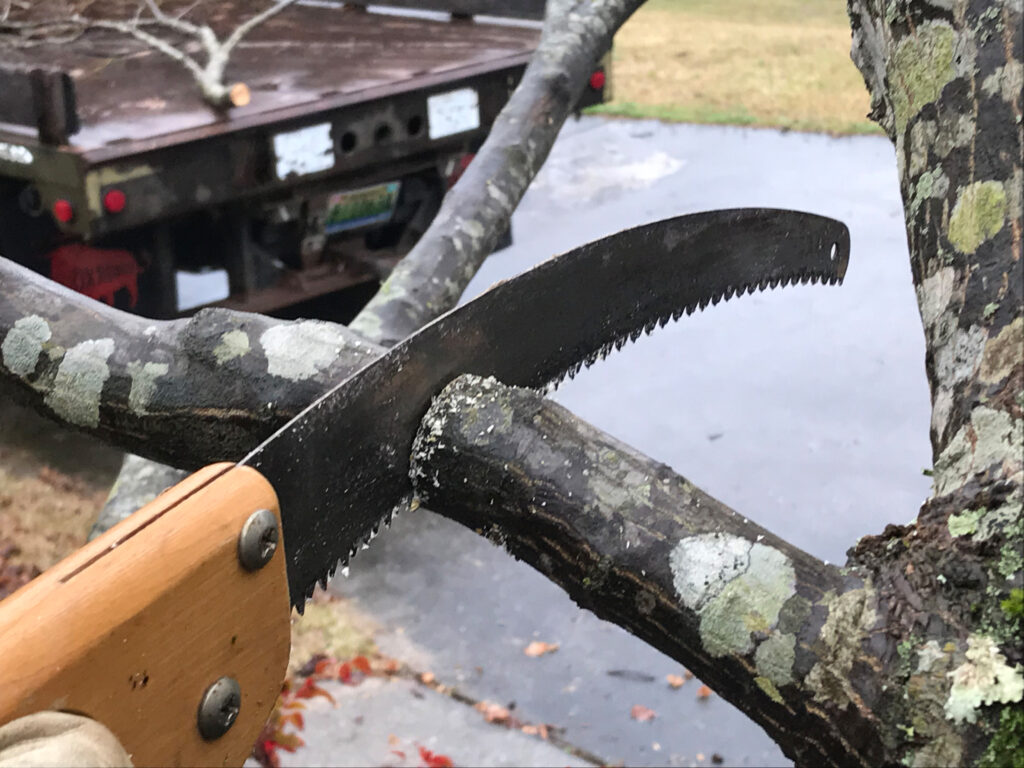
Sharp, clean pruning tools make all the difference. Hand pruners work for small branches, while loppers handle thicker stems. For larger shrubs, a pruning saw may be needed. Always make cuts just above a bud or branch junction, and angle them slightly to shed water. This helps prevent disease.
Our humid climate can lead to fungal issues, so pruning for good airflow is key. Also, fast-growing shrubs like ligustrum or hollies may need more frequent attention. Don’t forget to sanitize your tools between plants, especially if you’ve removed diseased wood.
Pruning ornamental shrubs isn’t just a chore; it’s an investment in your landscape’s beauty and health. By pruning at the right time and using proper techniques, you’ll enjoy vibrant, well-shaped plants year after year. So, when the time is right, grab those pruners and give your shrubs the care they deserve!
Bethany O’Rear, a horticulturist for more than 20 years, is a regional agent with the Alabama Cooperative Extension System, specializing in commercial and home horticulture.