Why Soil Testing Matters in Alabama Landscapes
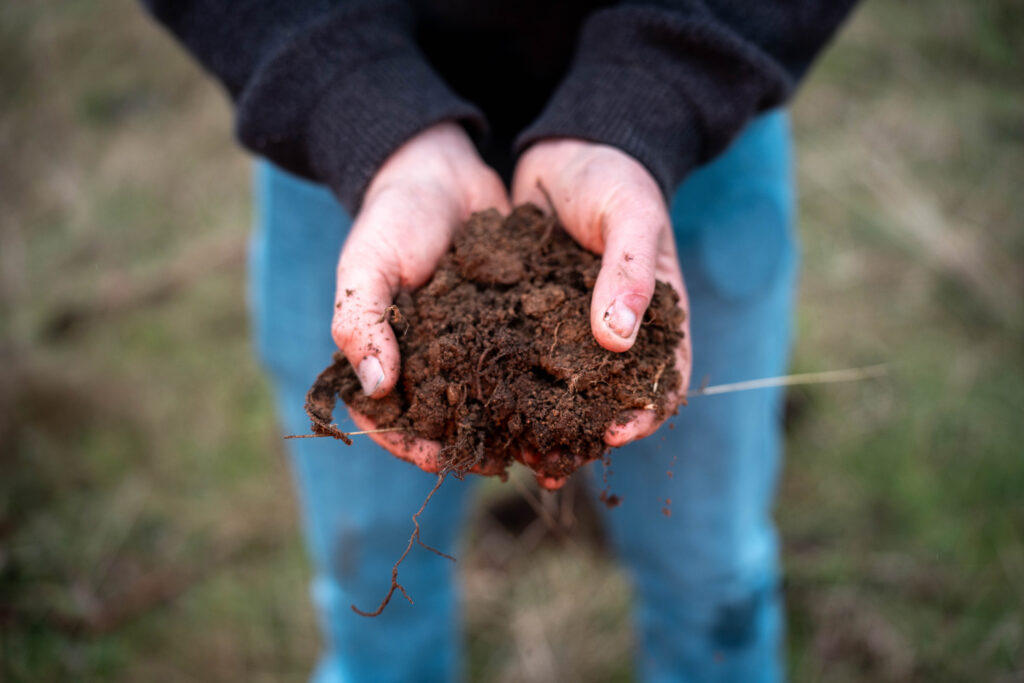
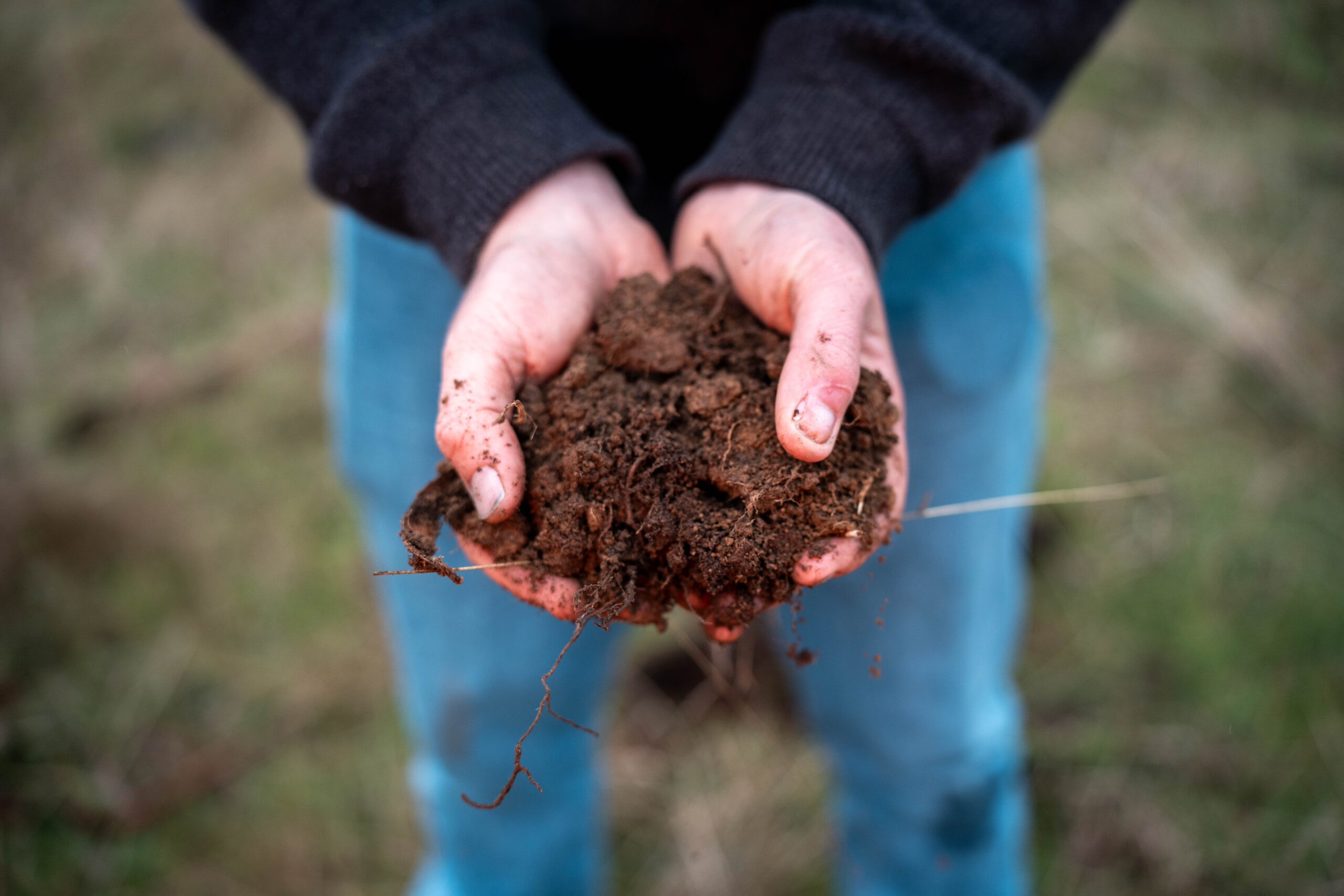
If you’ve ever planted a garden or landscaped your yard and wondered why some plants thrive while others struggle, the answer often lies beneath the surface—in the soil.
In Alabama, where soils range from sandy coastal plains to heavy clay in the Black Belt, understanding your soil is the first step toward success. Healthy soil is the foundation for strong roots, vibrant blooms and productive vegetable gardens.
Why Soil Testing is Essential
Soil testing is like a health check-up for your garden. It tells you what nutrients are present, what’s missing, and whether your soil’s pH is in the right range for plant growth. Without this information, applying fertilizer is guesswork. Many home gardeners overapply nitrogen or phosphorus, wasting money and potentially harming the environment through runoff into streams and lakes. A soil test takes the guesswork out and helps you apply the right nutrients at the right time.
Alabama soils are naturally low in pH, or acidic, which can limit nutrient availability. Lime is commonly needed to raise pH, but the amount varies widely by soil type. However, not all soils in Alabama are acidic—areas in the Black Belt region often have naturally high pH levels due to their calcareous clay soils. High pH can cause its own set of problems, such as making certain micronutrients like iron and zinc less available to plants. A soil test provides precise recommendations for both low and high pH situations, ensuring you apply the right materials without guessing.
How to Collect a Good Sample
The Alabama Cooperative Extension System recommends testing every two to three years or before planting new beds. Kits are available at county Extension offices, and samples are analyzed at Auburn University’s Soil Testing Laboratory.
Here’s how to do it right:
- Depth matters: For lawns, take cores 2–3 inches deep; for vegetable gardens and flower beds, go 6–8 inches.
- Take multiple samples: Collect 15–20 cores from random spots in the area you want to test. Mix them in a clean bucket.
- Send about a pint: From that mixture, fill the sample box or bag provided in your kit.
- Label your sample: Indicate what you plan to grow—recommendations differ for tomatoes, azaleas, or zoysia grass.
Understanding Your Report
Your soil test report will include:
- pH level: Most garden plants prefer a pH between 6.0 and 6.5. If your soil is too acidic, lime will be recommended.
- Nutrient levels: The report shows phosphorus, potassium, and other essential nutrients.
- Fertilizer and lime recommendations: These are tailored to your crop and Alabama’s soil conditions.
If you’re unsure how to interpret the report, your local Extension office can help. They can explain the numbers and guide you on timing and application methods.
Benefits Beyond Your Garden
Soil testing isn’t just good for your plants—it’s good for the environment. Applying only what your soil needs reduces nutrient runoff, protecting Alabama’s waterways. It also saves you money by preventing unnecessary fertilizer purchases. Healthy soil leads to healthier plants, less waste, and a more sustainable landscape. ν
Bethany O’Rear, a horticulturist for more than 20 years, is a regional agent with the Alabama Cooperative Extension System, specializing in commercial and home horticulture.